How Stress Affects Sleep Physically (And Why You Feel It the Next Day)
How Stress Affects Sleep Physically is something most Americans experience but don’t fully understand. You might say, “I’m just stressed,” but what’s really happening inside your body at night is much more physical than it sounds.
When stress builds up during the day — work pressure, money worries, family responsibilities — your body doesn’t automatically shut it off at bedtime. Instead, it carries that tension straight into the night. And that’s where sleep starts to suffer.
The Stress Response: Your Body’s Built-In Alarm System
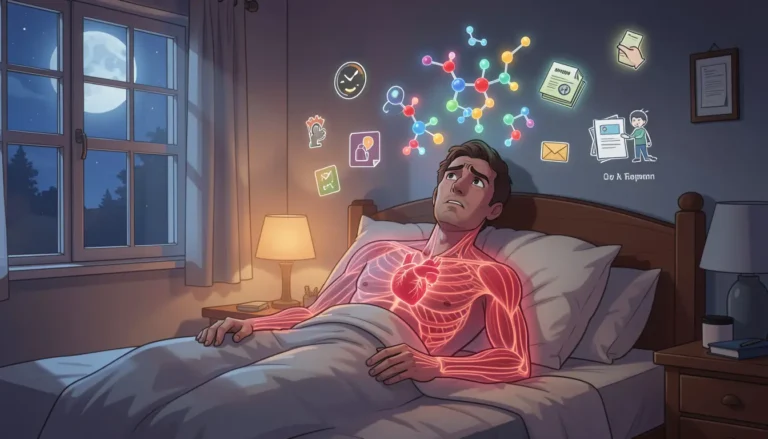
When you’re stressed, your body activates the “fight-or-flight” response. This system releases stress hormones like cortisol and adrenaline. According to the American Psychological Association, chronic stress keeps cortisol levels elevated longer than they should be.
Here’s the issue:
Cortisol is meant to be high in the morning (to wake you up) and low at night (to help you sleep). But when stress sticks around, cortisol remains elevated at bedtime.
That hormonal imbalance is one of the primary ways How Stress Affects Sleep Physically becomes a real biological problem.
How Stress Affects Sleep Physically: The Hormone Disruption
1. Elevated Cortisol Delays Sleep Onset.
When we’re stressed, our body doesn’t know the difference between a real physical threat and everyday worries. It reacts the same way — by releasing cortisol, the primary stress hormone. Normally, cortisol levels drop at night to help us relax and fall asleep. But when stress keeps cortisol elevated in the evening, the brain receives a signal that we’re in danger. As a result, heart rate increases, blood pressure rises, and muscles remain tense. Instead of preparing for rest, the body shifts into survival mode. Research published by the National Institutes of Health shows that higher evening cortisol levels are strongly linked to insomnia and broken, fragmented sleep. In simple words, stress keeps the nervous system switched “on” when it should be slowing down, making it much harder to fall and stay asleep.
2. Stress Reduces Deep Sleep (The Repair Stage)
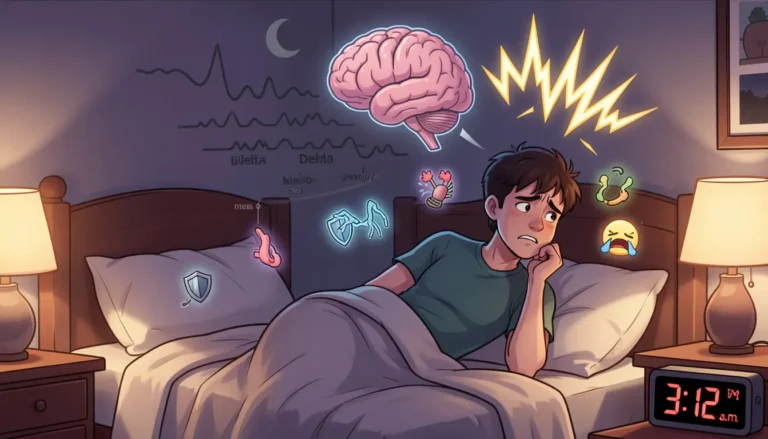
Stress doesn’t just make it harder to fall asleep — it also reduces the quality of the sleep you actually get. Deep sleep, also known as Stage 3 sleep, is the body’s main repair phase. This is the time when tissues heal, the immune system strengthens, and growth hormone is released to restore muscles and energy levels. However, when stress levels are high, the brain stays in a more alert state, producing more beta brain waves (associated with wakefulness) and fewer slow delta waves, which are essential for deep, restorative sleep. A study published in the Journal of Clinical Sleep Medicine found that people experiencing high stress had significantly less deep sleep, more frequent awakenings during the night, and shorter overall sleep duration. As a result, the body doesn’t get enough time to fully repair and recover. This is exactly how stress affecting sleep physically shows up the next day as muscle soreness, constant fatigue, low energy, and even weakened immunity
3. Increased Nighttime Awakenings
Ever wake up at 3 a.m. with your mind suddenly racing? That’s a sign your sympathetic nervous system is still switched on. Instead of fully relaxing into sleep, your body remains slightly alert. Stress increases what experts call “micro-arousals” — very brief awakenings that you may not even remember the next morning — but they break up your natural sleep cycles.
According to the Sleep Foundation, stress is one of the leading triggers of sleep maintenance insomnia in adults. This means you might technically spend eight hours in bed, yet your brain keeps waking just enough to prevent deep, restorative sleep. So even though you were “asleep,” your body and mind don’t feel fully rested the next day.
The Heart and Blood Pressure
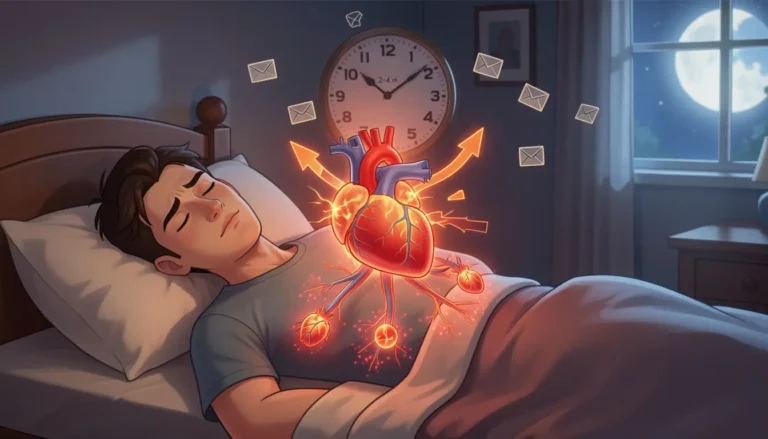
Stress and poor sleep don’t just happen together — they fuel each other in a harmful cycle. When stress repeatedly disrupts your sleep, your body doesn’t get the chance to fully relax at night. Blood pressure can remain elevated instead of dipping naturally, heart rate variability (a key marker of recovery) decreases, and inflammation levels begin to rise.
The Centers for Disease Control and Prevention reports that chronic sleep deprivation is associated with a higher risk of heart disease, stroke, and type 2 diabetes. In simple terms, if stress keeps shortening or fragmenting your sleep, your cardiovascular system never truly powers down. Over time, this constant state of activation puts extra strain on the heart and can quietly increase long-term health risks.
Immune System Suppression
One of the most overlooked ways stress affects sleep physically is through its impact on the immune system. During deep sleep, the body produces cytokines — protective proteins that help fight infection and control inflammation. This is when your immune defense system resets and strengthens.
However, chronic stress reduces the amount of deep, restorative sleep you get. And when deep sleep is cut short, the body produces fewer of these protective immune responses. A landmark study from researchers at Carnegie Mellon University found that individuals experiencing high levels of stress were significantly more likely to develop cold symptoms when exposed to viruses.
In simple terms: stress combined with poor sleep weakens your immune defense, making you more vulnerable to getting sick.
Muscle Tension and Physical Pain
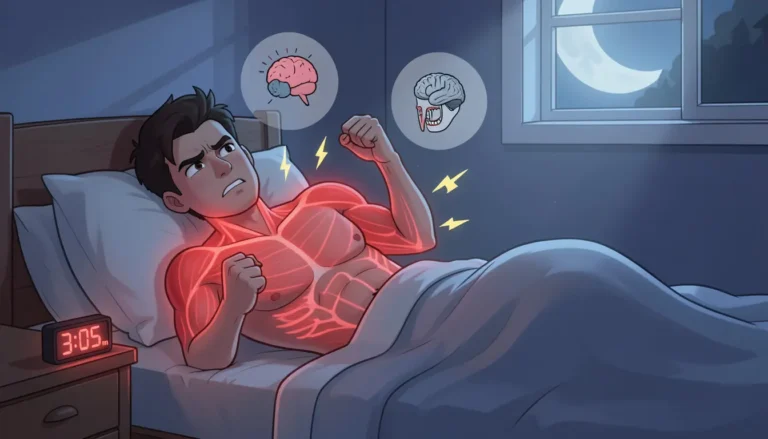
Stress doesn’t switch off just because you go to bed. When your mind is tense, your muscles often stay slightly contracted throughout the night. Instead of fully relaxing, your body remains in a subtle state of readiness — and that tension builds up.
Over time, this can show up as morning headaches, jaw clenching (bruxism), tightness in the neck and shoulders, or even persistent lower back pain. Because the body never reaches complete physical relaxation, muscles don’t fully recover the way they’re meant to during restful sleep.
This is another clear example of how stress affects sleep physically — you don’t just feel tired when you wake up, you feel it in your body.
Brain Effects: Why You Feel Foggy
Stress doesn’t just affect the body — it directly impacts how your brain sleeps. One of the biggest disruptions happens during REM sleep, the stage responsible for memory consolidation, learning, and emotional regulation. When stress reduces REM sleep, the brain doesn’t get enough time to properly process information and reset emotionally.
As a result, you may wake up feeling mentally foggy, irritable, indecisive, or slower to react. According to Harvard Medical School, chronic stress can alter communication between the amygdala (the brain’s fear center) and the prefrontal cortex (the logic and decision-making center). This imbalance makes it harder to calm anxious thoughts — especially at night when you’re trying to sleep.
So if you feel like your brain just won’t “switch off,” you’re not imagining it. Stress can literally change the way your brain functions during sleep, leaving you less restored by morning.
What Actually Helps (Science-Backed Strategies)
If stress is impacting your sleep physically, here’s what research supports:
1. Wind-Down Routine
A consistent 30–60 minute bedtime routine lowers cortisol naturally.
2. Cognitive Behavioral Therapy for Insomnia (CBT-I)
The American Academy of Sleep Medicine recommends CBT-I as first-line treatment for chronic insomnia.
3. Limit Late-Night News and Screens
Blue light suppresses melatonin and stress-triggering content keeps your brain alert.
4. Breathwork and Parasympathetic Activation
Slow breathing (4–6 breaths per minute) activates the vagus nerve and shifts the body into “rest mode.”
5. Regular Physical Activity
Moderate exercise lowers baseline cortisol — but avoid intense workouts right before bed.
Final Thoughts: Why This Matters
How Stress Affects Sleep Physically is not just about feeling tired. It impacts your hormones, heart, immune system, muscles, and brain.
If you’ve been blaming yourself for “not sleeping right,” remember this:Your body isn’t broken.
It’s responding to stress exactly how it was designed to.The solution isn’t forcing sleep.It’s lowering the stress signal your body is receiving.When you calm the nervous system, sleep follows naturally.
Frequently Asked Questions About How Stress Affects Sleep Physically
1. How does stress affect sleep physically at night?
Stress affects sleep physically by increasing cortisol and adrenaline levels. These hormones keep your nervous system active, raise your heart rate, and prevent your body from entering deep restorative sleep.
2. Can stress cause insomnia?
Yes. Chronic stress is one of the leading causes of insomnia. Elevated stress hormones make it harder to fall asleep and stay asleep throughout the night.
3. Why do I wake up at 3 AM when I’m stressed?
When you’re stressed, your body remains in a semi-alert state. Cortisol spikes during the night can trigger early-morning awakenings, especially between 2–4 AM.
4. Does stress reduce deep sleep?
Yes. Stress reduces slow-wave (deep) sleep, which is the stage responsible for physical repair, immune strengthening, and muscle recovery.
5. Can stress and poor sleep affect heart health?
Absolutely. Ongoing stress combined with poor sleep may increase blood pressure, inflammation, and long-term cardiovascular risk.
6. How long does it take for sleep to improve after reducing stress?
Many people notice improvement within a few days to weeks once stress levels decrease and a consistent bedtime routine is followed.
