Best Bedroom Colors for Sleep: Research-Backed Shades That Promote Rest
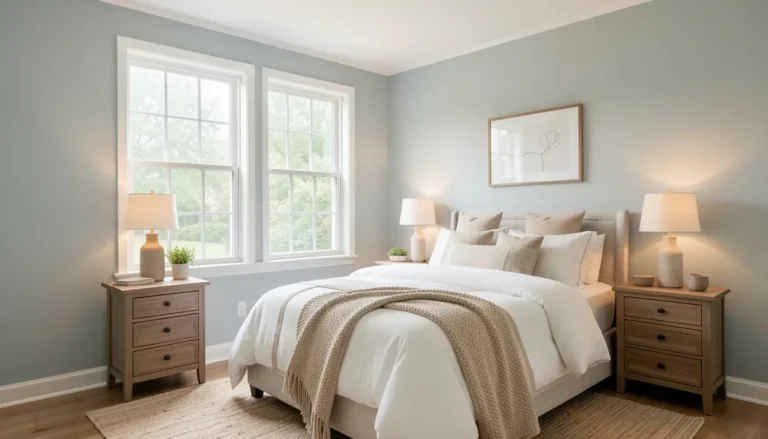
Best bedroom colors for sleep can directly influence how fast you fall asleep and how deeply you rest. Most Americans focus on mattresses and blackout curtains—but wall color plays a bigger role than many realize.
Studies in environmental psychology and sleep science show that color affects mood, heart rate, and even melatonin production. According to guidance shared by the Sleep Foundation, a calm visual environment supports better sleep hygiene. That means your bedroom walls should work with your body—not against it.
So we will discussed the today best bedroom colors for sleep based on research, expert design insight, and real-world experience.
Why Bedroom Color Impacts Sleep Quality
Imagine walking into your bedroom at night. The lights are soft, the room is quiet… and the wall color either makes you instantly exhale and relax — or, without you realizing it, keeps your brain slightly alert.
This isn’t just about décor. It’s biology.
Your brain reacts to color before you consciously register it. Bright, intense shades like red, orange, or bold yellows subtly signal energy and stimulation. Your heart rate can rise slightly. Your body stays a bit more alert. Even if you feel calm, your nervous system may not be fully winding down.
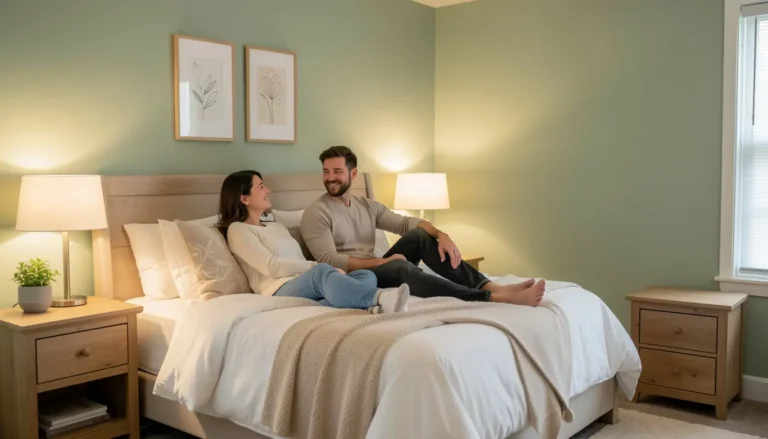
On the other hand, cool and muted tones — soft blues, gentle greens, warm neutrals — send a completely different message. They signal safety and calm. Your nervous system relaxes. Your body begins shifting toward rest mode. And that’s exactly the state you need for quality sleep.
The National Sleep Foundation recommends keeping bedrooms dark, quiet, and visually soothing. Overstimulating colors can increase alertness, while calming hues help the brain transition into sleep more naturally.
So this isn’t just a design trend or an aesthetic choice.The color you see influences how your body feels. And how your body feels determines how well you sleep.
1. Soft Blue: The #1 Best Bedroom Color for Sleep
If you’re searching for the best bedroom color for sleep, one shade almost always comes out on top: soft blue.
But this isn’t just a design trend — it’s how your body responds to color.
Blue is naturally linked to calmness. Think about it — the sky at dusk, gentle ocean waves, open horizons. Your brain already connects blue with peace and safety. And when your brain feels safe, your body relaxes.
Soft blue shades are often associated with:
Lower heart rate
Reduced blood pressure
A calmer nervous system
A smoother transition into sleep
Sleep experts frequently reference research suggesting that cooler tones help signal the brain to wind down. Unlike bold or overly bright colors that can keep you mentally stimulated, muted blues tell your body, “It’s time to rest.”
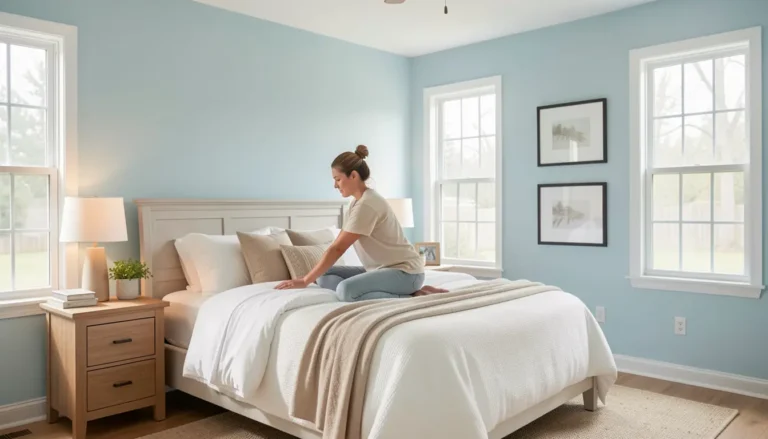
Not all blues work the same way, though. The best choices are:
Light sky blue
Dusty blue
Blue-gray tones
These softer variations feel gentle rather than energizing.
Even major paint brands like Sherwin-Williams regularly recommend muted blue tones for bedrooms because they strike the perfect balance between serenity and style.
So if you want a bedroom that doesn’t just look peaceful but actually helps you sleep better — soft blue might be your smartest choice.
2. Sage Green: Nature-Inspired Calm
Sage green has quickly become one of the best bedroom colors for sleep in modern American homes.
Green connects us to nature—a concept known as biophilic design. Studies referenced by the American Psychological Association show exposure to natural tones reduces stress and promotes emotional balance.
Sage, olive-gray, and muted eucalyptus shades create a grounded, cozy vibe without feeling heavy.
Paint companies like Benjamin Moore have featured soft green tones as top relaxing shades in recent seasonal palettes.
3. Warm Beige & Greige: Safe, Cozy, and Sleep-Friendly
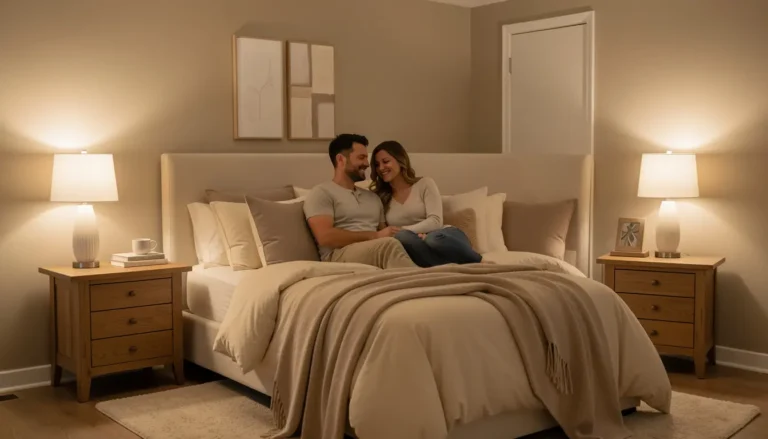
Not everyone wants color—and that’s okay.
Warm neutrals like beige and greige (gray + beige) remain popular for a reason. Unlike stark white, these tones feel soft and cocoon-like.
When selecting neutrals:
Choose warm undertones (cream or taupe-based)
Avoid cold, blue-gray shades
Stick with matte or eggshell finishes for softness
In suburban American homes, greige offers flexibility while still qualifying as one of the best bedroom colors for sleep due to its low visual stimulation.
4. Soft Lavender: Subtle Relaxation
Light lavender or muted lilac may surprise you, but softer purples can encourage tranquility.
While dark purple feels dramatic, pastel lavender feels peaceful and slightly dreamy. Some small behavioral studies connect lighter purple hues with lower evening agitation.
Pair lavender walls with cream bedding and warm lighting for a balanced look.
5. Blush or Dusty Pink: Emotional Warmth
Soft pink tones—think dusty rose or muted clay—add warmth without overstimulation.
Harsh reds increase energy levels, but softened pink carries warmth in a gentler way. This makes it a surprisingly effective option among the best bedroom colors for sleep, especially in rooms with lots of natural light.
Balance is key:
Combine with wood furniture
Add neutral linens
Avoid saturated hot pink shades
Colors to Avoid for Better Sleep
If sleep improvement is your goal, avoid:
Bright red
Neon tones
Intense orange
High-contrast black and white themes
According to sleep environment recommendations from the Centers for Disease Control and Prevention, overstimulating environments can disrupt natural sleep cycles.
Your bedroom should calm your nervous system—not energize it.
Lighting Matters Just As Much As Color
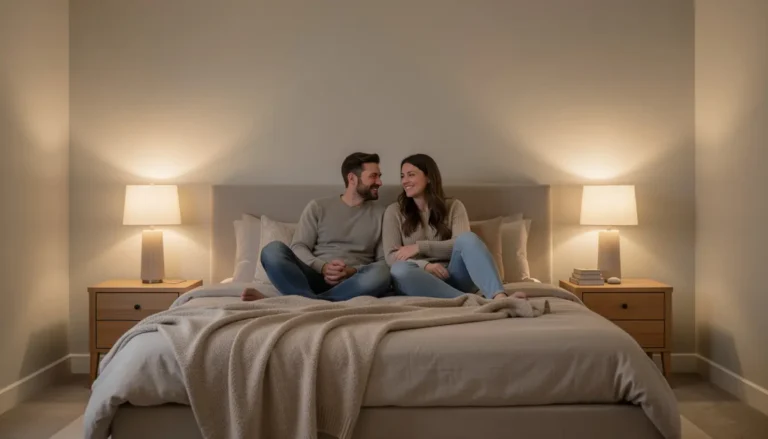
Even the best bedroom colors for sleep won’t work if your lighting is harsh.
Choose:
Warm LED bulbs (2700K–3000K)
Dimmable lamps
Soft bedside lighting
Cool white or daylight bulbs emit more blue light, which may interfere with melatonin production. Combine calming wall colors with warm ambient lighting for maximum benefit.
How to Choose the Best Bedroom Color for You
While research gives general guidance, personal preference matters.
Ask yourself:
Does this shade make me feel instantly calmer?
Does it look soothing during both day and night?
Does it match my stress level and lifestyle?
High-pressure professionals often prefer soft blue or green. Minimalists lean toward warm neutrals. Creative personalities sometimes connect with lavender.
The best bedroom colors for sleep are the ones that reduce your mental noise the moment you walk in.
Final Thoughts on the Best Bedroom Colors for Sleep
Choosing the best bedroom colors for sleep is a simple but powerful upgrade. Soft blue, sage green, warm beige, muted lavender, and dusty pink all support relaxation when done correctly.
Sleep is one of the most important pillars of health. If your bedroom doesn’t feel peaceful, start with your walls. A thoughtful color choice may improve your rest more than you expect.
Better sleep doesn’t always require expensive gadgets—sometimes it just takes the right shade of pain
Frequently Asked Questions About Best Bedroom Colors for Sleep
1. What are the best bedroom colors for sleep?
The best bedroom colors for sleep are soft blue, sage green, warm beige, muted lavender, and dusty pink. These calming shades help reduce stress levels and support a relaxing sleep environment.
2. Is blue really the best bedroom color for sleep?
Yes. Soft blue is often considered the best bedroom color for sleep because research suggests it may lower heart rate and blood pressure while promoting calmness.
3. Are neutral colors good for sleep?
Warm neutrals like beige and greige are excellent bedroom colors for sleep because they create a cozy, non-stimulating atmosphere without feeling cold or sterile.
4. What bedroom colors should I avoid for better sleep?
Avoid bright red, neon shades, intense orange, and high-contrast color schemes. These colors can overstimulate the brain and make relaxation more difficult.
5. Does bedroom color actually affect sleep quality?
Yes. Color psychology studies show that certain tones influence mood, stress levels, and nervous system activity. Calming bedroom paint colors support better relaxation and deeper sleep.
6. Is green a good bedroom color for anxiety and sleep?
Yes. Sage green and muted green tones are linked to nature-inspired calmness and stress reduction, making them ideal bedroom colors for sleep and anxiety relief.