Sleep Problems Anxiety: Why Millions Struggle and How to Sleep Better
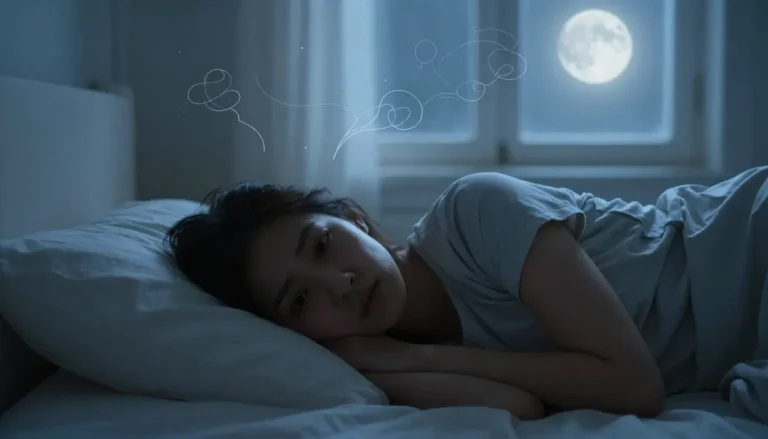
Sleep problems anxiety is more common than most people realize. Have you ever found yourself lying awake at night, heart racing, mind buzzing with worries that don’t seem to stop? You’re not alone. According to the American Psychological Association (APA), nearly 40 million adults in the U.S. experience anxiety disorders each year, many of whom also struggle with disrupted sleep.
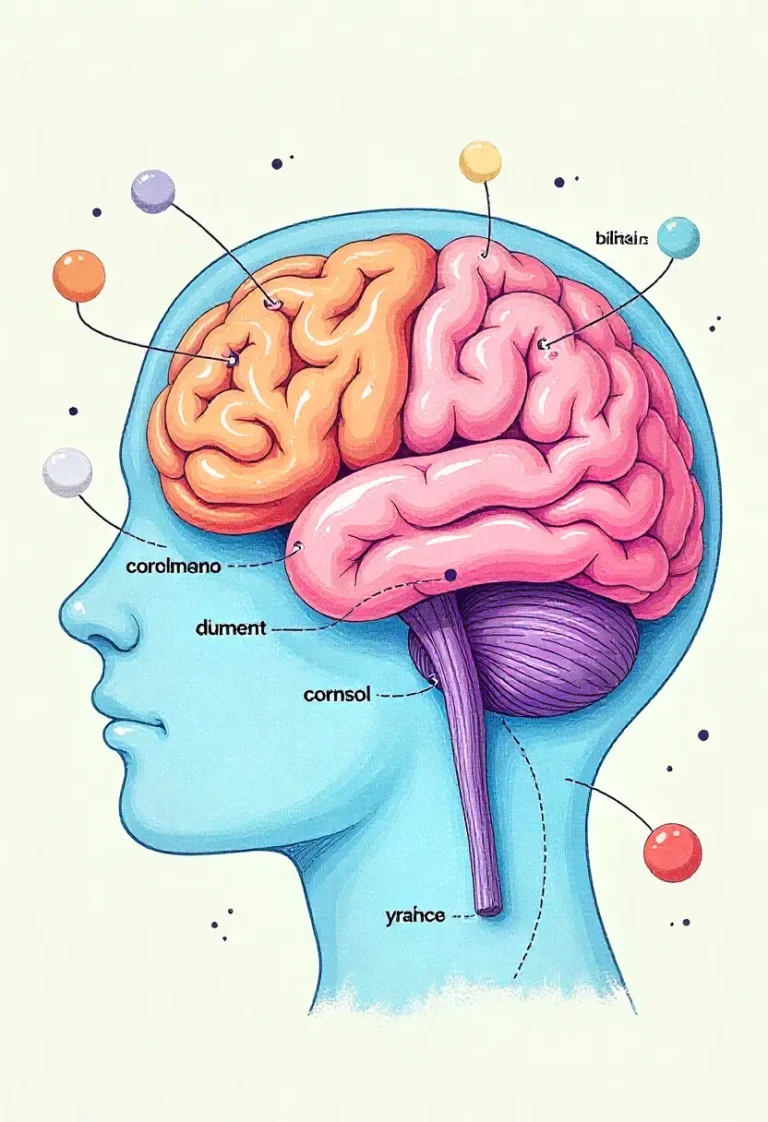
The connection between anxiety and sleep is deeply psychological. When your brain perceives a threat—even a minor one—it triggers the fight-or-flight response, releasing stress hormones like cortisol. This keeps you alert, making restful sleep feel like a distant dream. In this article, we’ll explore why sleep problems anxiety happens, the science behind it, and practical ways to reclaim your nights.
How Anxiety Causes Sleep Problems
Sleep problems anxiety isn’t just about lying awake worrying—it’s also about changes in your brain chemistry and sleep architecture. Research published in the Journal of Clinical Sleep Medicine shows that anxiety increases the time it takes to fall asleep, reduces deep restorative sleep, and can even trigger nighttime awakenings.
Some common patterns include:
Racing thoughts before bedtime
Difficulty falling asleep (insomnia)
Nightmares or vivid dreams
Dr. Michael Breus, a clinical psychologist and sleep expert, explains: “Anxiety keeps the mind in hyperarousal. Even if the body is tired, the brain remains alert, which is why many patients report chronic insomnia.”
Why Sleep Problems Anxiety Matters
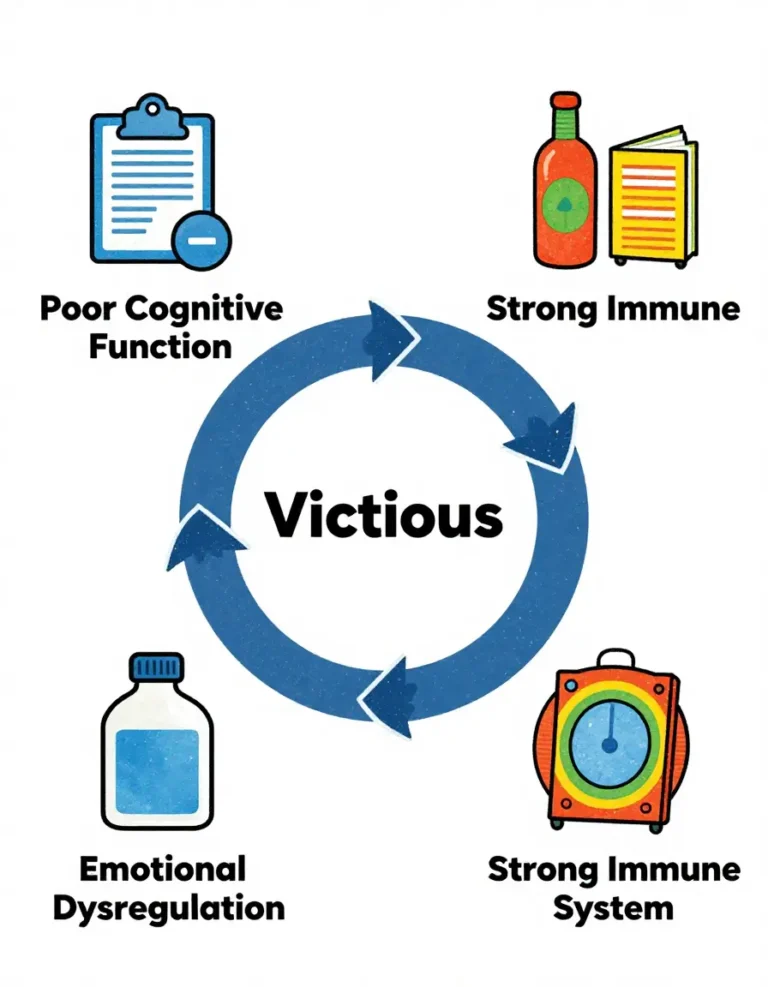
Ignoring sleep problems anxiety can have serious consequences. Poor sleep worsens cognitive function, emotional regulation, and overall mental health. Studies suggest that people with chronic insomnia are five times more likely to develop anxiety disorders, creating a vicious cycle: anxiety → poor sleep → more anxiety.
Getting enough quality sleep helps regulate mood, improve memory, and support immune function. That’s why addressing sleep problems anxiety is not just about feeling rested—it’s about protecting your mental and physical health.
Effective Strategies to Overcome Sleep Problems Anxiety
Here’s where things get practical. These evidence-based strategies are recommended by experts and supported by research:
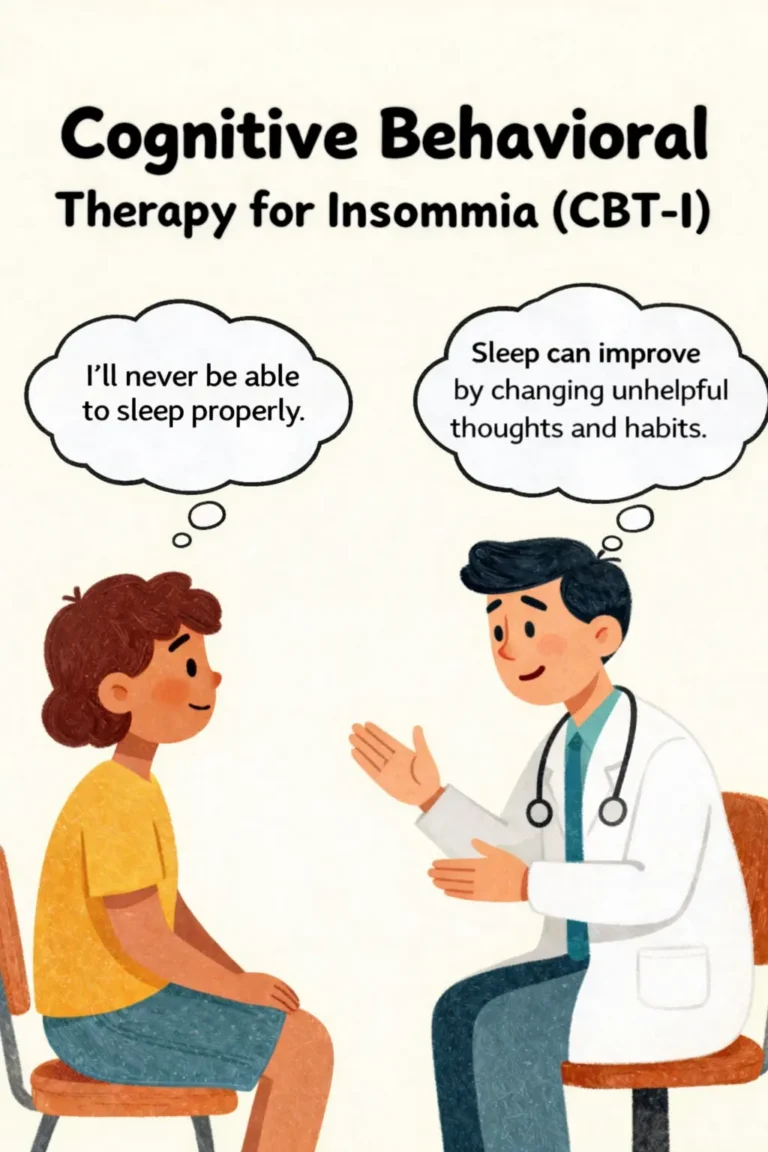
1.Cognitive Behavioral Therapy for Insomnia (CBT-I)
CBT-I is considered the gold standard for treating insomnia linked to anxiety. According to the National Sleep Foundation, CBT-I helps patients identify negative thought patterns and replace them with calming routines, improving both sleep onset and sleep quality.
2.Sleep Hygiene & Routine
Simple changes can make a huge difference:
Keep a consistent sleep schedule
Limit caffeine and alcohol before bedtime
Use your bed only for sleep
Dim lights and avoid screens at least 30 minutes before sleep
3.Mindfulness & Relaxation Techniques
Mindfulness meditation, deep breathing exercises, and progressive muscle relaxation have been shown in studies (Harvard Medical School, 2022) to reduce nighttime anxiety and improve sleep quality.
4.Professional Support
If anxiety persists despite lifestyle changes, consulting a licensed psychologist or sleep specialist can provide tailored strategies. Sometimes, short-term medication may be appropriate, but behavioral interventions are preferred for long-term benefits.
Conclusion
Sleep problems anxiety can feel overwhelming, but understanding the psychological connection and using proven strategies can break the cycle. By combining behavioral techniques, expert guidance, and mindfulness, you can restore your sleep and improve overall mental health. Remember, even small steps—like adjusting your bedtime routine—can make nights calmer and more restorative.
FAQ: Sleep Problems Anxiety
Q1: Can anxiety cause insomnia?
Yes. Anxiety triggers hyperarousal and stress hormone release, which delays sleep onset and reduces deep sleep.
Q2: How long does it take to improve sleep with anxiety?
With consistent CBT-I, mindfulness, and sleep hygiene, many people notice improvement within 3–6 weeks.
Q3: Are there natural remedies for sleep problems anxiety?
Yes. Techniques like guided meditation, herbal teas (chamomile, valerian), and consistent sleep routines can help.
Q4: Should I see a doctor for anxiety-related sleep problems?
If anxiety significantly affects daily life or sleep persists for weeks, consulting a mental health professional is recommended.