Pregnancy Sleep Problems: Safe Solutions Every Mom-to-Be Should Know
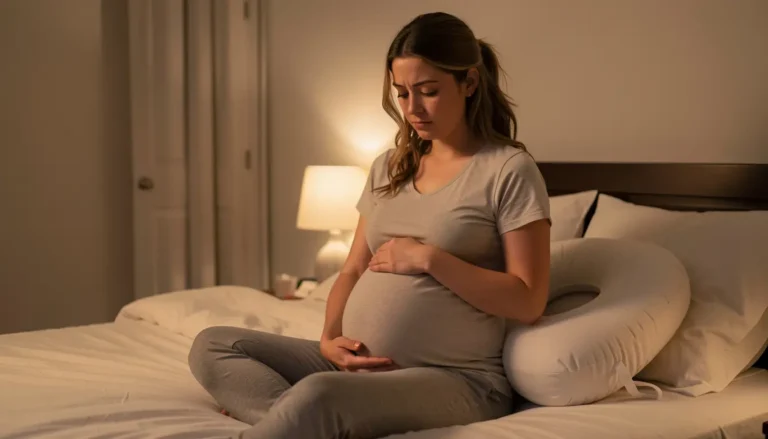
Pregnancy is an exciting journey, but it often comes with unexpected challenges — and sleep is one of the biggest ones. Many women who previously slept well suddenly start waking up frequently, feeling uncomfortable, or struggling to fall asleep.
If you’re dealing with pregnancy sleep problems, you’re definitely not alone. Studies show that nearly 80% of pregnant women experience sleep disturbances, especially during the second and third trimesters.
The good news? Most pregnancy-related sleep issues have safe and simple solutions that can dramatically improve your rest.
Why Pregnancy Sleep Problems Happen
Your body goes through incredible changes during pregnancy. Hormones, physical discomfort, and emotional excitement can all influence your sleep patterns.
For many women, the first trimester brings overwhelming fatigue during the day but strangely restless nights. Hormones like progesterone rise quickly, which can make you sleepy but also disturb your natural sleep rhythm.
As pregnancy moves into the second and third trimester, the reasons for pregnancy sleep problems often become more physical. Your growing belly makes certain sleeping positions uncomfortable, and pressure on the bladder means more trips to the bathroom at night.
Heartburn can also appear unexpectedly when lying down, especially after dinner. On top of that, many moms-to-be find their minds racing at night as they think about the baby, labor, and the future.
All these small changes combine to make sleep feel lighter and more interrupted than before.
Even sleep changes are very common during pregnancy due to hormonal and physical changes in the body. According to the <a href=”https://www.cdc.gov/pregnancy/features/sleep-pregnancy.html” target=”_blank” rel=”nofollow”>Centers for Disease Control and Prevention (CDC)</a>, maintaining healthy sleep habits during pregnancy can support overall maternal health.
Comfortable Sleeping Position
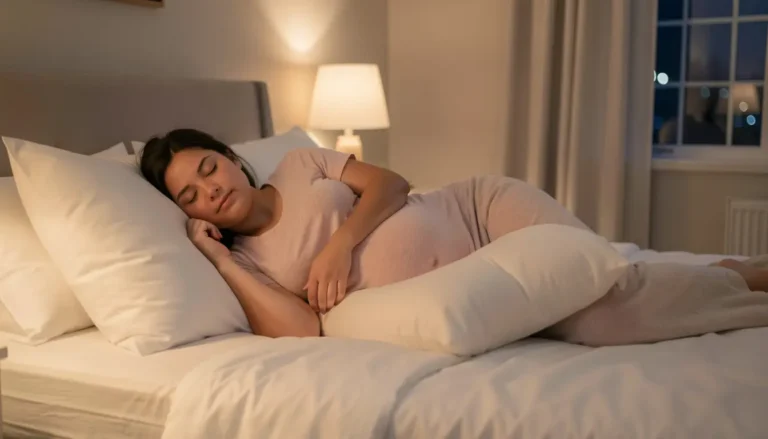
One of the biggest challenges during pregnancy is simply finding a comfortable position to sleep in.
Doctors generally recommend sleeping on your side, particularly the left side, because it improves blood flow to the placenta and supports healthy circulation. However, staying in one position all night can still be difficult.
Many pregnant women find relief by adding extra pillows around the body. Placing a pillow between the knees, another under the belly, and one behind the back can help reduce pressure and keep the body supported through the night.
Some people even invest in a pregnancy pillow, which is specially designed to support the changing shape of the body.
Sometimes small adjustments like these can make a surprisingly big difference in reducing pregnancy sleep problems.
Creating a Calming Bedtime Routine
When sleep becomes unpredictable, a consistent bedtime routine can help signal to your body that it’s time to relax.
Instead of jumping straight from a busy day into bed, try slowing things down during the last hour before sleep. A warm shower, soft lighting, and a quiet activity like reading can gently prepare your body for rest.
Many sleep experts also suggest avoiding phone or laptop screens before bedtime. The blue light from screens can confuse the brain and delay the natural release of melatonin, the hormone that helps us sleep.
Even something as simple as drinking a warm cup of caffeine-free herbal tea or practicing deep breathing can help calm the mind.
Over time, this routine trains the body to recognize when it’s time to wind down.
Good sleep habits during pregnancy are essential for both the mother and baby. If you’re also struggling with nighttime routines, you may find helpful tips in our guide on How to Build a Bedtime Routine for Better Sleep
Managing Nighttime Discomfort
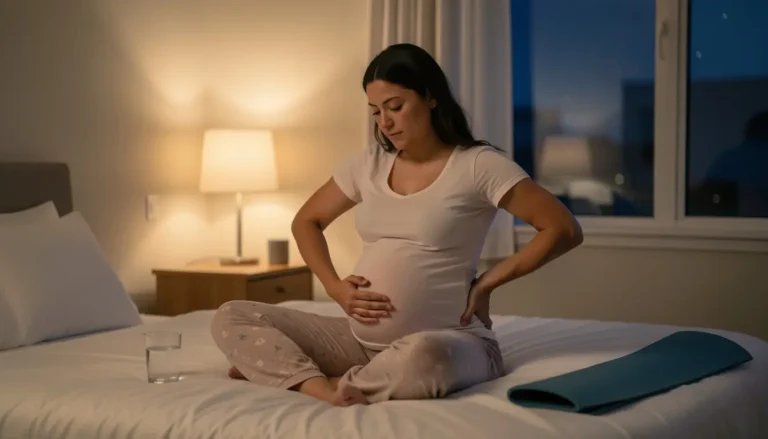
Physical discomfort is another major reason for pregnancy sleep problems. As your body grows and changes, muscles and joints carry more weight than before.
Lower back pain and hip pressure are especially common during the later months of pregnancy. Gentle stretching during the day or light prenatal yoga can help ease some of that tension.
Leg cramps can also wake women up suddenly in the middle of the night. Staying hydrated and stretching your calves before bed may help reduce these cramps.
Eating lighter meals in the evening can also reduce nighttime heartburn. Heavy or spicy foods close to bedtime often make acid reflux worse when lying down.
Small lifestyle adjustments like these often lead to much better nights.
When Sleep Problems Become Concerning
Most pregnancy sleep problems are temporary and harmless. However, there are times when sleep disturbances should be discussed with a healthcare provider.
If you experience severe insomnia, extreme daytime exhaustion, loud snoring, or breathing interruptions during sleep, it’s important to talk to a doctor.
These symptoms can sometimes be signs of conditions like sleep apnea or restless leg syndrome, which may need medical guidance.
Fortunately, these situations are less common and usually manageable with proper care.
Final Thoughts
While pregnancy sleep problems can be frustrating, they are a normal part of the journey for many moms-to-be. Understanding what causes these sleep disruptions and making small adjustments can significantly improve rest and comfort.
Listening to your body, creating a peaceful bedtime routine, and finding supportive sleeping positions can help transform restless nights into more restorative sleep.
And remember — this phase is temporary, but the reward at the end is life-changing.
Frequently Asked Questions
Are pregnancy sleep problems normal?
Yes, they are extremely common. Hormonal changes, physical discomfort, and emotional excitement can all affect sleep during pregnancy.
What is the best sleeping position during pregnancy?
Most doctors recommend sleeping on the left side because it improves blood circulation to the baby and reduces pressure on organs.
Can lack of sleep harm my baby?
Occasional sleep disturbances are normal and usually do not harm the baby. However, severe or ongoing sleep problems should be discussed with a healthcare professional.
Do pregnancy pillows really help?
Many pregnant women find pregnancy pillows very helpful because they support the belly, hips, and back, making side sleeping more comfortable.
