Natural Sleep Hacks for Deep Sleep That Actually Work
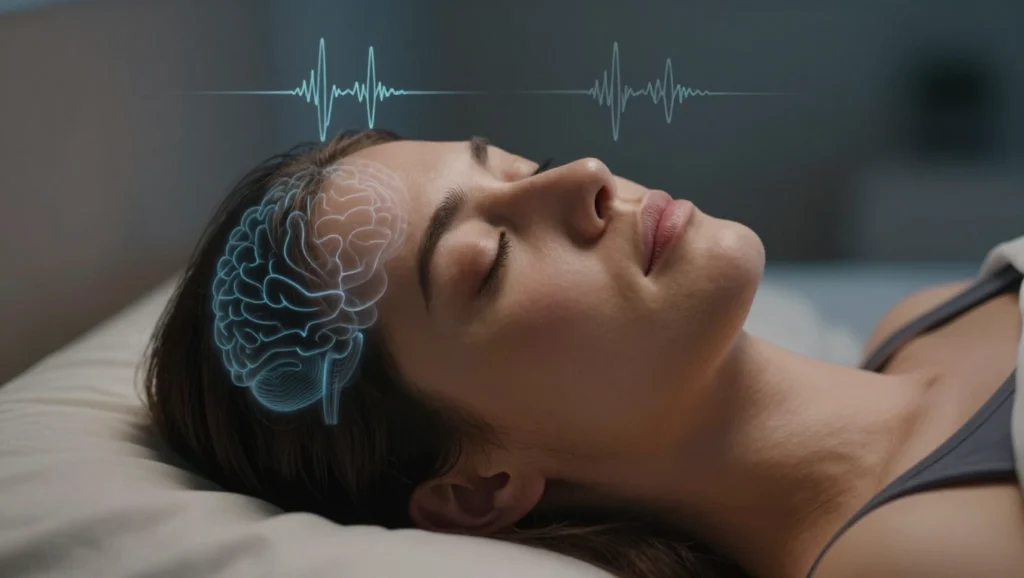
Think about this for a moment.
You go to bed on time. You sleep for 7–8 hours. But when you wake up, your body still feels heavy, your mind feels slow, and coffee becomes your only energy source. It feels like you slept… but you didn’t really rest.
This is exactly what happens when deep sleep is missing.
Today, achieving deep, restorative sleep has become one of the biggest wellness goals for people in the World . Stressful work lives, constant screen exposure, late-night scrolling, and irregular routines quietly steal the most important part of our sleep. We are sleeping, but not sleeping well.
Deep sleep is not about spending more hours in bed.
It’s about the quality of those hours.
It is the phase where your body quietly repairs muscles, your brain clears mental fatigue, and your hormones come back into balance. It’s like a nightly “system reset” for your entire body. Without it, even a full night of sleep can feel incomplete.
In this guide, we’ll explore Natural Sleep Hacks for Deep Sleep in a practical, human way. Not complicated medical theories, but real habits that work with your biology. Backed by EEAT principles (Expertise, Experience, Authority, and Trust), research insights, and expert references, you’ll understand not just what to do, but why these simple changes can transform your sleep from shallow and restless to deep and truly restorative.
What is Deep Sleep and Why It Matters
Deep sleep (also known as slow-wave sleep) is a non-REM stage of sleep where your body performs the most important physiological activities, such as:
-
Tissue and muscle repair
-
Immunity strengthening
-
Hormone regulation
-
Memory consolidation
-
Inflammation reduction
-
Emotional and cognitive reset
According to sleep science experts such as Dr. Matthew Walker (Neuroscientist and Sleep Researcher), deep sleep is essential for long-term brain health, hormone balance, and emotional stability. Reduced deep sleep can lead to fatigue, brain fog, weight gain, mood swings, and increased risk of cardiovascular problems. This is why improving natural deep sleep has become a priority in modern wellness.
Maintain a Consistent Sleep Schedule
What usually happens in real life?
One night you sleep at 11 PM, the next night at 2 AM. On weekends, you wake up at 11 in the morning. Then Monday comes, and your body feels completely confused, like:
“Wait… which time zone are we in today?” Your body loves routine.
Just like a small child who starts feeling sleepy automatically when put to bed at the same time every day, your body also learns when it is time to rest.
When you sleep at the same time every day:
-
Your brain gets a clear signal: “It’s time to rest now.”
-
Melatonin is released naturally.
-
Deep sleep starts faster.
-
Your sleep becomes more stable and refreshing.
That’s why this hack is the most powerful one.
No medicine. No supplements. No shortcuts.
Just simple, consistent discipline that works with your natural biology.
Expert Angle
Sleep foundations and researchers in the USA emphasize consistency as the #1 behavior that improves sleep quality without any medication.
Practical Tip
Try sleeping at the same time daily and aim for 7–9 hours total sleep, which CDC also recommends for adults.
Get Morning Sunlight Exposure

Think about two different mornings. On one day, you wake up, open your curtains, and sunlight gently fills your room. You step outside for a few minutes, feel the fresh air, and your body naturally feels more awake.
On another day, you wake up in a dark room, check your phone, and spend the whole morning under artificial lights. By evening, your sleep feels delayed and restless.
That small difference changes your entire sleep cycle.
Natural sunlight is a powerful biological regulator and one of the easiest Natural Sleep Hacks for Deep Sleep. It works like a reset button for your internal clock.
When your eyes receive morning sunlight, your brain clearly understands:
“Okay, the day has started.”
This simple signal:
-
Suppresses melatonin in the morning so you feel alert
-
Boosts melatonin production at night so you fall asleep faster
-
Aligns your circadian rhythm naturally
-
Improves mood by increasing serotonin
-
Supports healthy vitamin D levels, which influence both mood and sleep quality
In simple words, sunlight teaches your body when to be active and when to rest.
Even 10–20 minutes of morning sunlight can make a noticeable difference. A short walk, standing on your balcony, or sitting near a sunny window is enough.
Expert Input
Many sleep doctors in the UK recommend light therapy for people who live in cloudy regions or struggle with Seasonal Affective Disorder (SAD). This shows how powerful light exposure is in regulating sleep, mood, and energy levels.
Sometimes, the best sleep medicine isn’t a pill.
It’s just stepping outside and letting the sun remind your body what time it really is.
Reduce Blue Light at Night
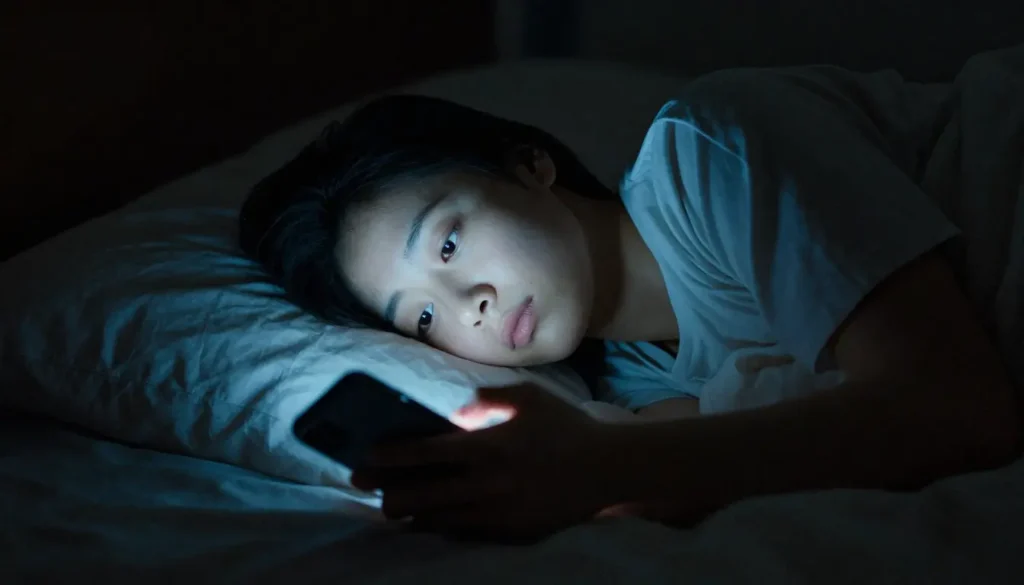
Be honest for a second. How many times have you gone to bed, lights off, but phone still in your hand? “Just one more reel… one more message… one more episode.”
Before you know it, 30 minutes becomes 2 hours. Your eyes feel tired, but your brain feels wide awake.
That’s blue light at work.
Screens are everywhere—phones, laptops, TVs, and tablets. In the USA and UK, late-night screen time has become a normal habit, but it quietly damages one of the most important sleep hormones: melatonin.
Blue light tricks your brain into thinking it’s still daytime.
So instead of preparing your body for rest, your brain stays in “alert mode.”
This means:
-
Melatonin release gets blocked
-
Falling asleep takes longer
-
Deep sleep becomes lighter and shorter
-
Nights feel restless and broken
It’s like telling your body, “Stay awake, the sun is still up,” even when it’s midnight.
Practical Hacks
You don’t need to throw away your phone. Just use it smarter:
-
Turn on night mode or warm light filters after sunset
-
Try to avoid screens 1–2 hours before bedtime
-
Use blue-light blocking glasses (optional, but helpful)
-
Keep your phone out of reach so scrolling doesn’t become automatic
Research consistently shows that screen exposure at night delays deep sleep and disrupts sleep architecture.
Sometimes sleep problems aren’t caused by stress or health issues.
They’re caused by a small glowing screen telling your brain the wrong time of day.
Create a Sleep-Friendly Bedroom Environment
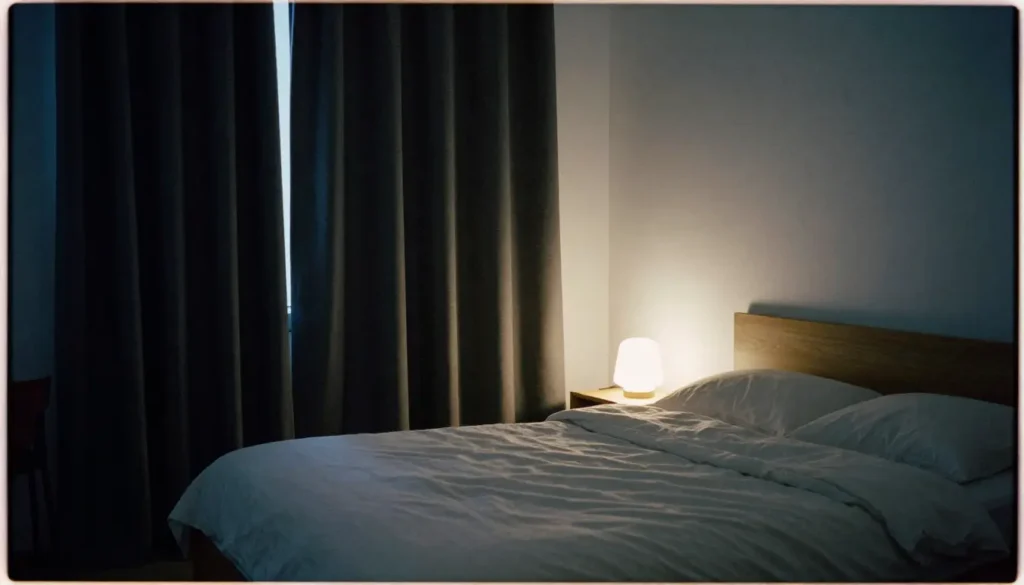
Imagine trying to fall asleep in a room that’s too hot, lights are leaking through the window, your phone is buzzing, and the TV is still on. Your body might be tired, but your brain stays alert. It doesn’t feel safe to fully relax.
Now imagine the opposite.
A cool, quiet, dark room. Soft bedding. No screens. The moment you lie down, your body starts to slow down automatically. Your mind feels calmer without effort.
Your bedroom is not just a place to sleep.
It’s a signal to your brain. And that signal can either say “stay alert” or “it’s time to rest.”
Bedroom conditions directly affect both how fast you fall asleep and how deep your sleep becomes.
Ideal Sleep Environment Checklist
-
Cool temperature (60–67°F / 15–19°C)
-
Fully dark room (use blackout curtains if needed)
-
Quiet environment (earplugs or white noise can help)
-
No screens in bed
-
Comfortable mattress and supportive pillows
Why It Works
Deep sleep starts when your body temperature drops and your nervous system shifts into parasympathetic (rest-and-digest) mode.
A cooler, darker, and cleaner room sends a powerful message to your brain:
“This is a safe place to completely switch off.”
That’s why many sleep clinics in the USA and UK recommend optimizing your sleep environment before trying supplements or medication.
Sometimes the best improvement in sleep doesn’t come from what you add,
but from what you remove—light, noise, heat, and digital distractions.
Improve Diet and Nutrition for Better Sleep
Think about nights when you eat something very heavy, spicy, or sugary before bed. Your body feels full, your stomach feels busy, and your mind feels restless. You lie down, but instead of relaxing, your body is still working hard on digestion. Sleep comes late, and deep sleep becomes lighter.
Now compare that with a lighter evening meal and calming foods. Your body feels settled. Your mind feels quieter. Falling asleep feels natural, not forced.
“Your body can either focus on digestion or on deep sleep. It can’t do both at full power.”
What you eat directly affects your hormones, digestion, inflammation, and nervous system. All of these play a major role in how deep and restorative your sleep becomes.
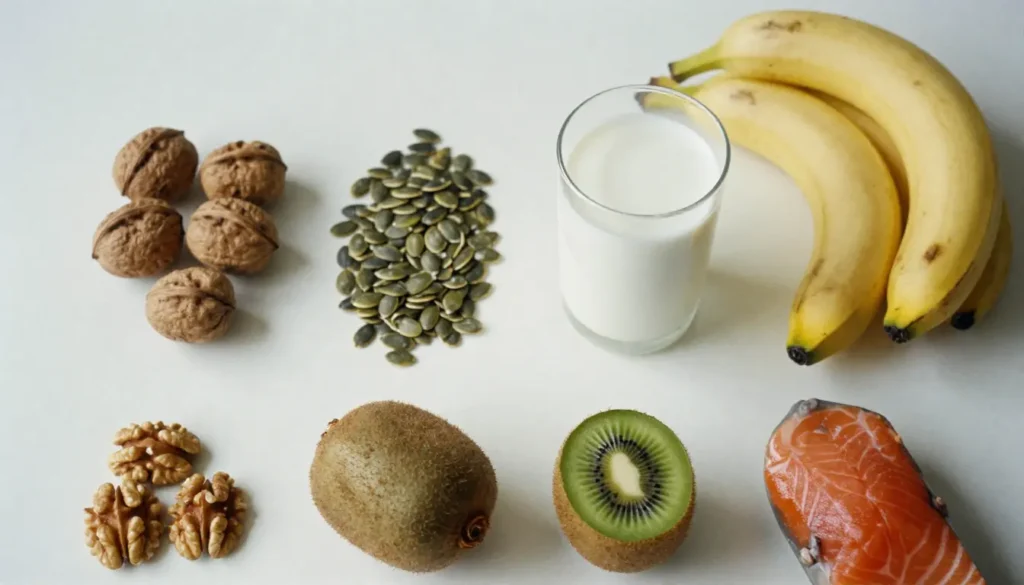
Foods That Help Deep Sleep
These foods gently support your body’s natural sleep chemistry:
-
Walnuts – contain natural melatonin
-
Pumpkin seeds – rich in magnesium, which relaxes muscles and nerves
-
Bananas – provide potassium and magnesium for calmness
-
Fatty fish (like salmon) – omega-3 supports sleep-regulating hormones
-
Kiwi – shown in clinical studies to help with sleep onset
-
Warm milk – contains tryptophan, which supports melatonin production
“Food is information for your body. Choose calming foods, and your sleep responds calmly.”
Foods to Avoid Before Bed
Some foods quietly steal deep sleep, even if you don’t notice it immediately:
-
Caffeine, especially after 2 PM
-
Spicy or heavy meals that overload digestion
-
Alcohol, which may make you sleepy but reduces deep sleep
-
Sugary desserts, which spike blood sugar and disturb sleep cycles
Expert Reference
Many nutritionists highlight magnesium as one of the most important minerals for sleep. It supports muscle relaxation, calms the nervous system, and helps the body shift into deep restorative rest.
“Better sleep doesn’t always start in the bedroom. Sometimes, it starts on your dinner plate.”
Relaxation Rituals Before Bed
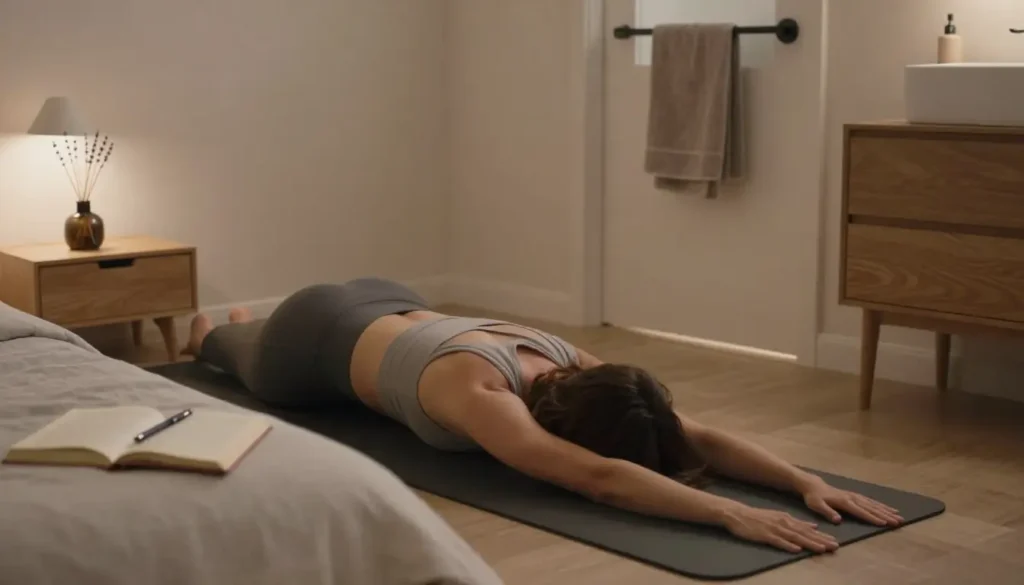
Most people don’t lose deep sleep because their body is tired. They lose it because their mind is still running.
You lie in bed, lights are off, but thoughts are on.
Tomorrow’s work, unfinished tasks, conversations from the day, random worries. Your body is ready to sleep, but your brain is still in “day mode.”
That’s where pre-sleep rituals change everything.
They tell your brain:
“The day is over. You’re safe. You can slow down now.”
“Sleep doesn’t start in the bed. It starts in the mind.”
Creating a small, calming routine before sleep is one of the most powerful Natural Sleep Hacks for Deep Sleep.
Effective Relaxation Hacks
Simple habits that gently guide your nervous system into rest:
-
Warm shower 60–90 minutes before bed – helps drop body temperature afterward, which triggers sleep
-
Reading physical books – relaxes the brain without screen stimulation
-
Soft stretching or yoga – releases physical tension
-
Meditation or breathing exercises – quiet the racing mind
-
Light aromatherapy (like lavender) – signals calmness through scent
-
Journaling your thoughts – empties mental clutter
“Your brain can’t relax if it feels it still has work to do.”
Writing your thoughts down is like telling your mind:
“You don’t have to remember everything. I’ve stored it safely.”
Why It Works
Stress increases cortisol, the stress hormone.
Cortisol and melatonin work against each other. When cortisol stays high, melatonin stays low, and deep sleep becomes difficult.
Relaxation rituals switch your nervous system into parasympathetic mode (rest-and-digest).
This is the exact state your body needs to enter deep, healing sleep.
Many therapists in the US recommend journaling for people who overthink because it clears mental overload and reduces nighttime anxiety.
“You don’t fall into deep sleep by force. You drift into it when your nervous system finally feels calm.”
Sometimes, deep sleep is not about doing more.
It’s about slowing down enough to let your body do what it already knows how to do.
Mindfulness, Breathing, and Yoga
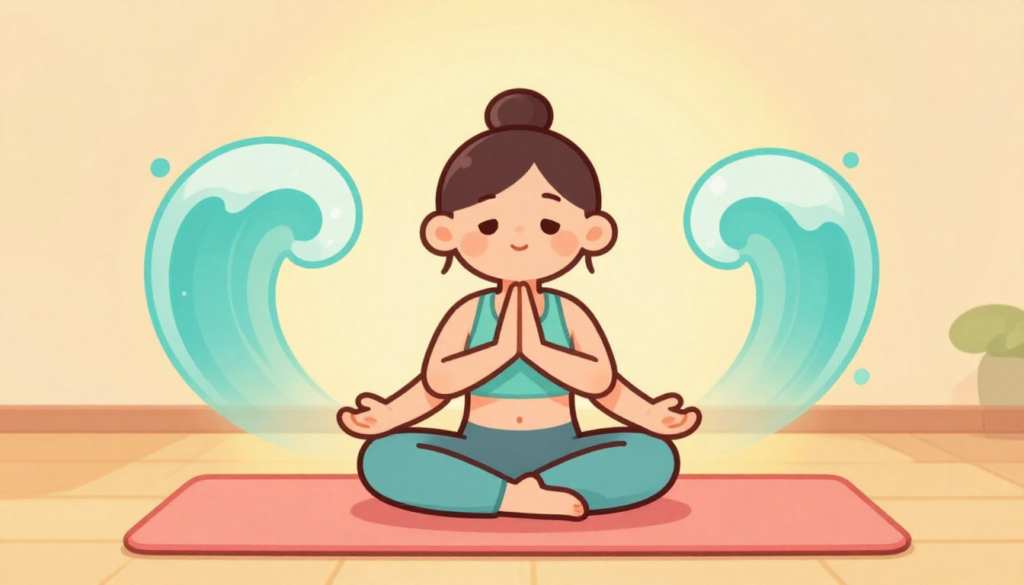
Sometimes the problem is not that you can’t sleep.
The problem is that your mind doesn’t know how to stop.
All day, it jumps from one thing to another: notifications, deadlines, messages, thoughts. At night, when everything becomes quiet, the mind suddenly becomes loud. That’s why simply lying in bed doesn’t always bring deep sleep.
Mindfulness, breathing, and yoga work because they change your internal speed.
They slow you down from the inside.
Instead of forcing your thoughts away, they teach your body a simpler language:
slow breath, slow heart, safe space.
What Actually Changes Inside Your Brain
-
Mindfulness calms the Default Mode Network (DMN), the area responsible for constant thinking and worrying.
-
Breathing techniques activate the vagus nerve, telling your nervous system to relax.
-
Yoga releases physical tension so the mind doesn’t stay “on guard.”
Together, they create the perfect condition for deep sleep to appear naturally.
“The mind follows the breath. Slow the breath, and the mind follows.”
Simple Ways to Use It Before Bed
You don’t need a long routine. Even 3–5 minutes can shift your state.
Try one:
-
4-7-8 Breathing
Calm and grounding. Best for anxiety and racing thoughts. -
Box Breathing
Structured and steady. Best when your mind feels chaotic. -
Diaphragmatic Breathing
Deep and slow. Best when your body feels tense.
Or combine it with:
-
5 minutes of gentle yoga stretches
-
2 minutes of slow breathing
-
1 minute of stillness
“Deep sleep doesn’t begin when your eyes close. It begins when your nervous system feels safe.”
This approach feels different from exercise or routines because it works from the inside out.
No effort. No pressure.
Just creating the space where deep sleep can finally arrive.
Natural Supplements and Herbal Support

Think of supplements like support players, not the main heroes.
They don’t replace good habits like routine, light control, or relaxation.
They simply assist your body when it already wants to sleep better.
If your lifestyle is chaotic, supplements won’t fix it.
But if your basics are strong, they can gently deepen your sleep quality.
“Supplements don’t create sleep. They support the sleep your body is already trying to have.”
Some natural substances calm the nervous system, relax muscles, or balance stress hormones. That’s why they’re often used to improve sleep depth.
Common Natural Sleep Helpers
-
Magnesium glycinate – relaxes muscles and calms the nervous system
-
Chamomile – mild natural sedative, soothing for anxiety
-
Valerian root – supports sleep onset and depth
-
Lemon balm – reduces nervous tension and stress
-
Ashwagandha – helps lower cortisol and balance stress response
-
L-theanine – promotes calmness without making you drowsy
Instead of thinking of these as “sleep pills,” think of them as calmness tools.
“Nature doesn’t knock you out. It slowly teaches your body how to relax.”
Safety Note
Natural does not always mean harmless.
Always consult a healthcare professional if you:
-
Take regular medications
-
Are pregnant or breastfeeding
-
Have chronic health conditions
Supplements work best when they are used carefully, not casually.
“The goal is not to depend on supplements. The goal is to eventually sleep well without needing them.”
When used responsibly, herbal support can be a gentle bridge between restless nights and naturally deep, restorative sleep.
Stay Hydrated — But Correctly

Water and sleep have a quiet relationship. You don’t notice it much, but when it’s off balance, your sleep feels it immediately.
If you’re dehydrated, your body struggles with temperature control and hormone balance. You may feel restless, dry-mouthed, or uncomfortable at night.
But if you drink too much right before bed, your sleep breaks for a different reason: repeated bathroom trips.
So it’s not just about drinking water.
It’s about when and how you drink it.
“Hydration should support your sleep, not interrupt it.”
Your body needs water to regulate:
-
Body temperature
-
Melatonin balance
-
Blood circulation
-
Muscle relaxation
But flooding your system at night keeps your bladder active when your body is supposed to be resting.
Best Practice
Think of hydration as a daytime habit, not a bedtime task:
-
Drink most of your water earlier in the day
-
Stay consistently hydrated from morning to evening
-
Reduce heavy water intake 1–2 hours before bedtime
-
Take only small sips if you feel thirsty at night
“Prepare your body for sleep during the day, not at the last minute.”
When hydration is balanced, your body stays calm, cool, and uninterrupted through the night.
And sometimes, deep sleep improves not because you added something,
but because you stopped doing too much at the wrong time.
Fix Underlying Issues When Necessary
If someone has sleep apnea, chronic stress, hormonal imbalance, or gut issues, sleep hacks help but may not fully solve the problem.
When to Seek Professional Help
-
Loud snoring
-
Waking up gasping
-
Chronic insomnia
-
Night terrors
-
Constant morning headaches
Sleep labs in the USA and UK can run overnight polysomnography to detect issues.
Final Thoughts
Natural Sleep Hacks for Deep Sleep are really about returning to how your body was designed to rest. Small, daily choices slowly teach your nervous system that it is safe to relax, safe to switch off, and safe to repair.
“Better sleep doesn’t come from trying harder. It comes from living smarter.”
When you align with your circadian rhythm, reduce late-night stimulation, nourish your body with the right foods, and create calm before bed, your sleep stops being a struggle. It becomes natural again.
Deep sleep is where real transformation happens.
Not just at night, but in your whole life.
Because deep sleep directly improves:
-
Mood – you feel more emotionally stable and positive
-
Energy – you wake up refreshed, not dependent on caffeine
-
Cognitive performance – sharper focus, better memory
-
Immunity – stronger defense against illness
-
Weight management – better hormone control and metabolism
-
Stress resilience – calmer reactions to daily pressure
-
Hormonal balance – smoother internal regulation
“Fix your sleep, and your life quietly starts fixing itself.”
This isn’t about perfection. It’s about progress.
One better habit.
One calmer night.
One deeper sleep at a time.
FAQ Section
FAQ 1: What are natural sleep hacks for deep sleep?
Answer:
Natural sleep hacks for deep sleep are habits and techniques that improve sleep quality without medication. These include mindfulness, meditation, yoga, proper hydration, natural supplements like magnesium or chamomile, relaxation rituals, and optimizing your sleep environment.
FAQ 2: How can I improve deep sleep naturally?
Answer:
You can improve deep sleep naturally by:
-
Maintaining a consistent sleep schedule
-
Getting morning sunlight exposure
-
Reducing blue light at night
-
Creating a sleep-friendly bedroom environment
-
Practicing relaxation rituals such as yoga, meditation, and journaling
-
Supporting your body with natural supplements and proper nutrition
FAQ 3: Do natural supplements really help with deep sleep?
Answer:
Yes, natural supplements like magnesium, chamomile, valerian root, lemon balm, ashwagandha, and L-theanine can support your body’s natural sleep process. They work best when combined with healthy sleep habits, relaxation techniques, and a proper bedtime routine.
FAQ 4: How does mindfulness, breathing, and yoga improve sleep?
Answer:
Mindfulness calms the brain’s Default Mode Network, breathing exercises activate the vagus nerve to relax the nervous system, and yoga releases physical tension. Together, they create the ideal conditions for deep, restorative sleep.
FAQ 5: Can hydration affect my sleep quality?
Answer:
Yes, proper hydration is crucial for deep sleep. Being dehydrated can disrupt body temperature and hormone balance, while drinking too much water right before bed can cause nighttime bathroom trips. Drink most of your water during the day and limit fluids 1–2 hours before sleep.
FAQ 6: What foods should I eat or avoid for better deep sleep?
Answer:
Eat: Walnuts, pumpkin seeds, bananas, kiwi, fatty fish, warm milk
Avoid: Caffeine after 2 PM, heavy or spicy meals, alcohol, sugary desserts
These foods influence melatonin production, muscle relaxation, and hormone balance, which directly impact deep sleep quality.
FAQ 7: How long does it take to see results from natural sleep hacks?
Answer:
Most people notice improvements within 1–2 weeks of consistently practicing natural sleep hacks like maintaining a sleep schedule, morning sunlight exposure, reducing blue light at night, and doing relaxation rituals. Full benefits may take a few months for hormonal and circadian rhythm adjustments.