How to Help Baby Sleep Better at Night: A Complete Guide for Parents

Every new parent knows that getting a good night’s sleep with a baby can feel impossible. Frequent night wakings, fussiness, and unpredictable sleep schedules are common struggles. Learning how to help baby sleep better at night can make a huge difference for both parents and the baby. Not only does adequate sleep help babies grow and develop, but it also allows parents to rest and maintain mental and physical health.
In this comprehensive guide, we’ll explore practical strategies, routines, and tips to promote better sleep for your baby while keeping your nights calmer.
1. Understand Your Baby’s Sleep Needs

Before you can improve your baby’s sleep, it’s crucial to understand their natural sleep patterns. Babies of different ages require different amounts of sleep:
-
Newborns (0–3 months): 14–17 hours per day, usually in short intervals of 2–4 hours.
-
Infants (4–11 months): 12–15 hours per day.
-
Toddlers (1–2 years): 11–14 hours per day.
Sleep cues to watch for:
-
Rubbing eyes
-
Yawning
-
Fussiness
-
Staring off into space
Ignoring these cues can lead to overtiredness, which makes it harder for babies to fall asleep and stay asleep. Recognizing your baby’s signals is a crucial first step in improving night sleep.
2. Create a Consistent Bedtime Routine

Consistency is the key to better sleep. Babies thrive on predictable routines, as they signal to the brain that it’s time to wind down.
Sample bedtime routine (30–45 minutes):
-
Warm bath: Helps relax muscles and signals bedtime.
-
Gentle massage: Use baby-safe lotion to calm and comfort.
-
Feeding: A full feed helps prevent hunger-related night wakings.
-
Story or lullaby: Soft and calming, not stimulating.
-
Dim lights: Reduce environmental stimulation.
Tip: Try to maintain the same bedtime every night, even on weekends. Babies’ internal clocks adjust better with consistency.
3. Optimize the Sleep Environment

The right environment can make a huge difference in helping your baby sleep better at night.
Essential tips:
-
Dark room: Use blackout curtains to prevent early morning light from waking your baby.
-
Comfortable temperature: Ideal is 20–22°C (68–72°F).
-
White noise or soft lullabies: Helps mask household sounds.
-
Safe sleeping setup: Baby should sleep on their back, on a firm mattress, with no pillows, blankets, or toys.
A comfortable and safe sleep environment encourages longer, uninterrupted sleep.
4. Feeding and Night Sleep

Feeding plays a huge role in sleep. Babies often wake at night due to hunger.
Strategies for better night sleep through feeding:
-
Ensure full feeds during the day, so your baby is less hungry at night.
-
For newborns, consider dream feeding—feeding your baby just before you go to sleep to extend nighttime sleep.
-
Avoid giving sugar or stimulating foods close to bedtime for older babies.
Balanced feeding habits can help reduce unnecessary night wakings and improve overall sleep quality.
5. Recognize Sleep Cues and Avoid Overstimulation

Babies communicate when they’re tired. Responding to these cues promptly helps them fall asleep easier.
Common sleep cues:
-
Eye rubbing
-
Yawning
-
Fussing or turning away from stimuli
Tips to avoid overstimulation:
-
Reduce loud or active play before bedtime.
-
Calm the baby with soft talking, rocking, or swaddling.
-
Avoid bright lights or screens near bedtime.
6. Gentle Sleep Training Methods

Sleep training can teach babies to self-soothe and gradually sleep longer at night. Some effective gentle methods include:
-
Ferber Method (Graduated Extinction): Let your baby self-soothe for gradually increasing intervals before intervening.
-
No Tears Method: Comfort your baby while teaching sleep cues without leaving them to cry.
-
Chair Method: Stay in the room, gradually moving away as the baby learns to sleep independently.
Important: Start sleep training after 4–6 months of age. Every baby is different; consistency is key.
7. Daytime Habits That Affect Night Sleep

What your baby does during the day impacts their night sleep:
-
Naps: Appropriate nap lengths prevent overtiredness.
-
Wake windows: Follow age-specific windows (newborns: 45–60 min, infants: 2–3 hours).
-
Daytime activity: Encourage interaction, play, and movement to help your baby expend energy naturally.
Proper daytime routines make nighttime sleep more predictable and restful.
8. Handling Night Wakings
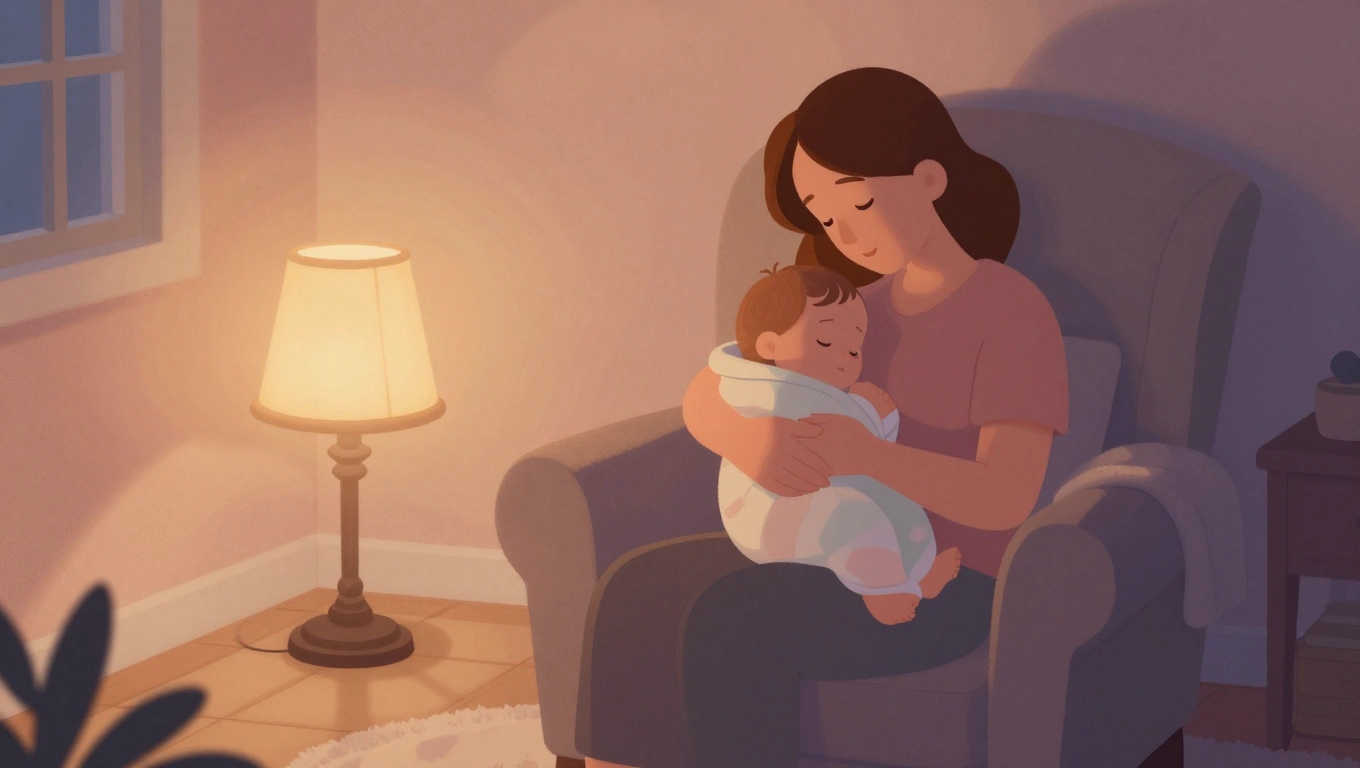
Even with perfect routines, babies may wake at night. Understanding why and how to respond helps them return to sleep:
Common reasons for night wakings:
-
Hunger
-
Teething discomfort
-
Wet diaper
-
Illness
Soothing tips:
-
Gentle patting or rocking
-
Soft shushing or white noise
-
Avoid bright lights
-
Minimize stimulation to signal bedtime
Seek medical advice if your baby wakes excessively or exhibits unusual behavior.
9. Parental Self-Care

Sleep deprivation affects parents as much as babies. Caring for yourself ensures you can care for your baby effectively.
Tips for parents:
-
Nap when the baby naps
-
Share nighttime duties with your partner
-
Accept help from friends or family
-
Practice mindfulness or meditation
Prioritizing parental well-being contributes to a calmer sleep environment for the baby.
Conclusion
Learning how to help baby sleep better at night takes patience, observation, and consistency. By understanding your baby’s sleep needs, creating a soothing bedtime routine, optimizing the sleep environment, and responding to sleep cues, you can improve sleep for both your baby and yourself.
Remember: every baby is unique, and it’s normal for sleep patterns to evolve over time. With persistence and care, you’ll enjoy calmer nights, happier days, and a healthier, well-rested family.
Frequently Asked Questions
Q: How long should newborns sleep at night?
A: Newborns usually sleep in short stretches of 2–4 hours. Nighttime sleep gradually increases around 3–4 months.
Q: Is co-sleeping safe?
A: Co-sleeping can be safe if done correctly: firm mattress, baby on back, no pillows or loose blankets.
Q: How to handle early morning wake-ups?
A: Gradually adjust bedtime, keep the room dark, and avoid stimulating activities in the morning.
Q: What if my baby resists the bedtime routine?
A: Start with small steps, be patient, and keep the routine consistent. Over time, babies adapt to the cues.
Perfect one