Best Temperature for Better Sleep: Air Quality Tips That Actually Work
Best temperature for better sleep plays a critical role in how quickly you fall asleep, how deeply you rest, and how refreshed you feel the next morning. While many people focus on sleep duration or mattresses, scientific research shows that bedroom temperature and air quality directly affect sleep quality.
Sleep is a biological process that responds strongly to environmental conditions. If your bedroom is too warm, too cold, or has poor air quality, your body struggles to enter deep and restorative sleep stages.
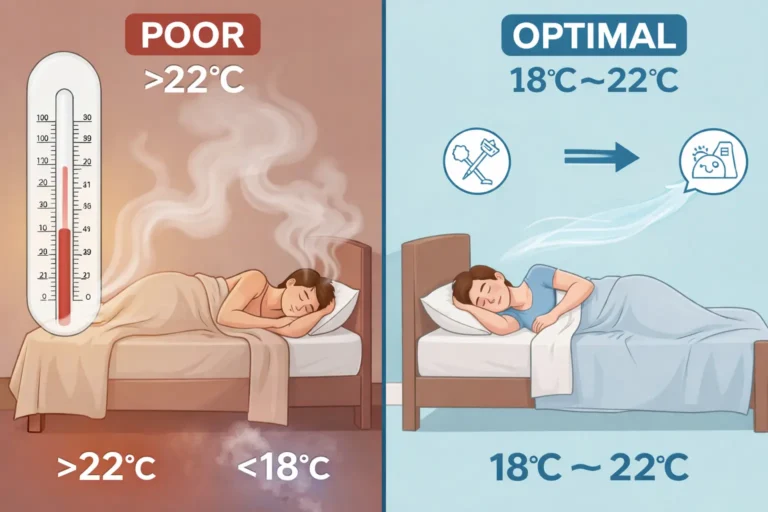
Why Best Temperature for Better Sleep Matters
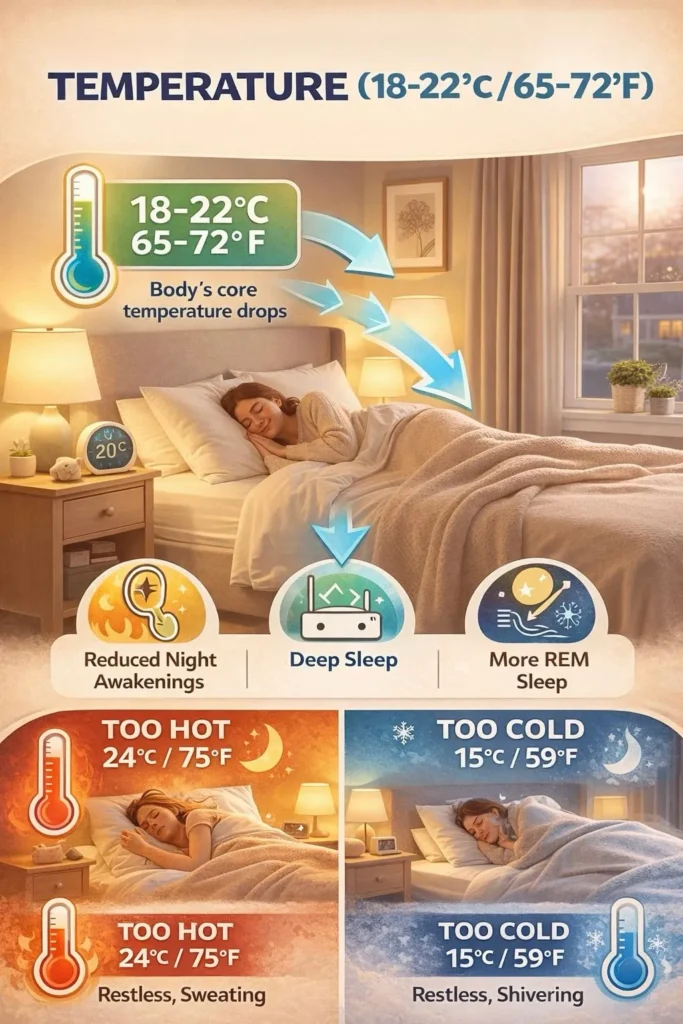
Your body follows a natural circadian rhythm that regulates sleep and wake cycles. As bedtime approaches, your core body temperature begins to drop. This temperature decrease signals the brain that it’s time to sleep.
When your bedroom temperature is not aligned with this process, sleep gets disrupted.
What Is the Best Temperature for Better Sleep?
Sleep experts and clinical research suggest that the best temperature for better sleep is between 18°C and 22°C (65°F–72°F).
This temperature range:
Helps you fall asleep faster
Supports deep and REM sleep
According to sleep neuroscientist Dr. Matthew Walker, cooler environments help the brain switch into sleep mode more efficiently, improving overall sleep quality.
How Air Quality Affects Sleep Quality
Temperature alone is not enough when it comes to good sleep. Air quality inside your bedroom also has a strong and direct impact on sleep quality. Even if your room temperature is perfect, polluted or stale air can still prevent your body from fully relaxing during sleep.
Poor air quality often goes unnoticed, but it silently affects breathing throughout the night. For example, if your bedroom has dust, smoke, pet dander, or poor ventilation, your airways may become irritated while you sleep. This can lead to nasal congestion, making it harder to breathe comfortably. Many people also experience a dry throat or coughing at night, which repeatedly interrupts deep sleep cycles.
Another common issue caused by poor air quality is breathing discomfort. When oxygen levels drop or carbon dioxide builds up in an unventilated room, the body struggles to maintain smooth breathing. As a result, the brain receives subtle stress signals, keeping you in lighter stages of sleep instead of deep, restorative sleep. This often leads to fragmented sleep, where you wake up multiple times without fully realizing it.
Research published in sleep and environmental health studies shows that polluted indoor air reduces sleep depth and increases next-day fatigue, even when total sleep duration remains the same. For example, a person sleeping eight hours in a poorly ventilated room may feel more tired than someone sleeping seven hours in a room with clean, fresh air. This clearly shows that sleep quality matters more than sleep quantity.
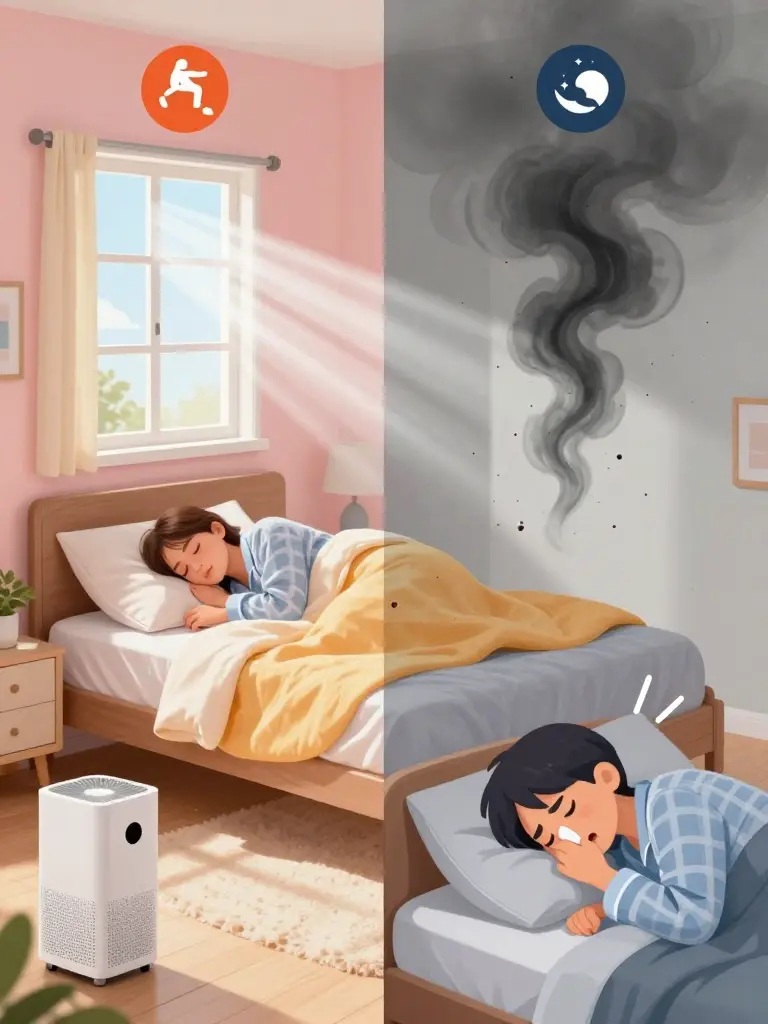
Maintaining clean air in the bedroom helps the body breathe easily, keeps airways relaxed, and supports uninterrupted sleep cycles. When good air quality is combined with the best temperature for better sleep, the body can fully enter deep sleep stages, leading to better recovery, improved energy levels, and clearer focus the next day.
Best Temperature for Better Sleep + Ideal Air Conditions
For optimal sleep results, experts recommend combining the best temperature for better sleep with clean, balanced, and well-ventilated air. Temperature and air quality work together — even if your bedroom is at the perfect temperature, stale or polluted air can still disrupt your sleep
Ideal Bedroom Environment for Sleep
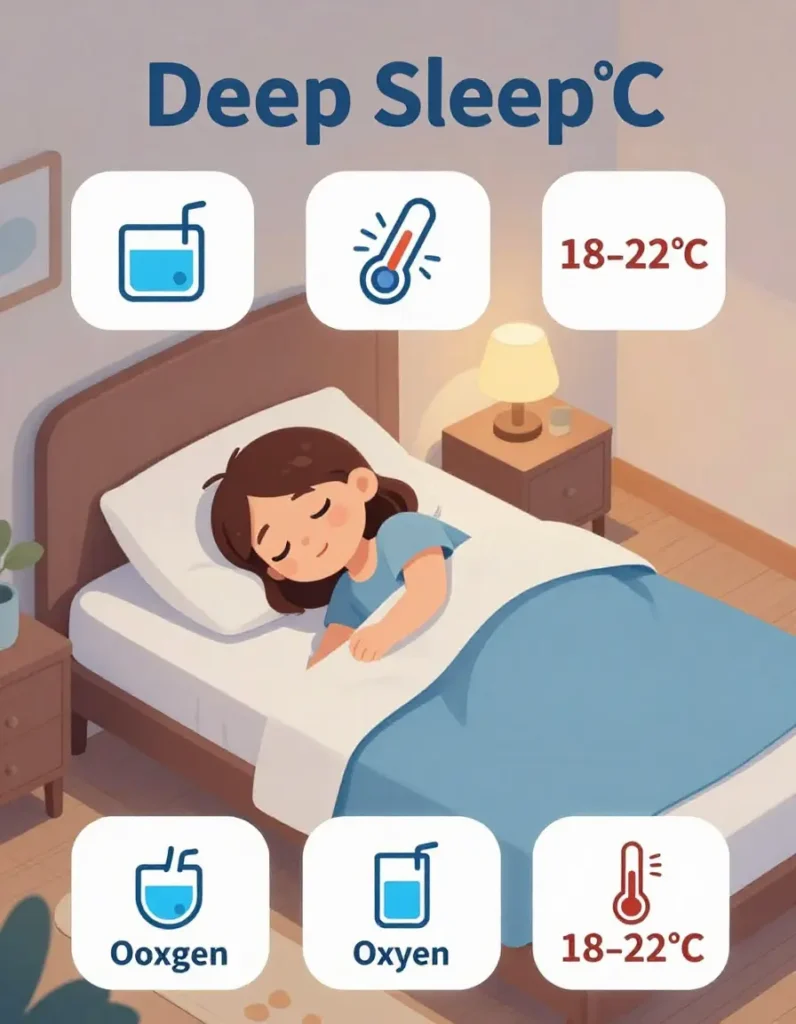
To create the most sleep-friendly environment, sleep specialists suggest maintaining the following conditions:
Temperature: 18–22°C (65–72°F)
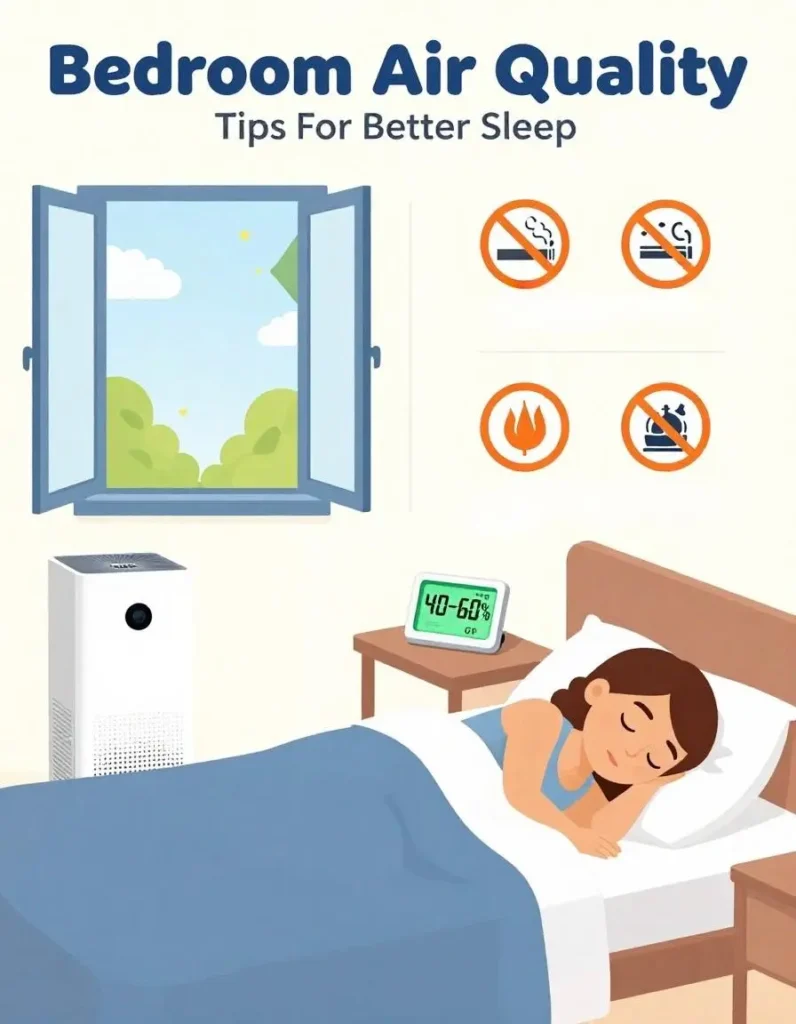
Humidity: 40–60%
Airflow: Fresh, well-ventilated air
These conditions allow your body to naturally regulate core temperature, oxygen intake, and hydration throughout the night.
For example, a bedroom maintained at 18–22°C helps the body’s core temperature drop naturally, which is essential for entering deep sleep. Meanwhile, balanced humidity levels prevent dry throats, nasal irritation, and other nighttime discomforts that can interrupt rest.
Fresh airflow plays a critical role as well. Well-ventilated rooms maintain oxygen levels and prevent carbon dioxide buildup. This ensures smooth breathing, a stable heart rate, and fewer subtle stress signals sent to the brain during sleep. The result? Longer, uninterrupted deep sleep cycles.
When the best temperature for better sleep is combined with ideal humidity and clean airflow, your body can efficiently manage temperature regulation and oxygen intake. This combination reduces nighttime awakenings and leads to higher energy, better focus, and improved overall health upon waking
Expert-Recommended Air Quality Tips for Better Sleep
1. Improve Bedroom Ventilation
Opening windows daily or ensuring proper airflow reduces carbon dioxide buildup and indoor pollutants.
2. Use an Air Purifier
HEPA air purifiers remove dust, pollen, and allergens that interfere with breathing during sleep.
3. Maintain Healthy Humidity Levels
Balanced humidity prevents dry airways and stops mold growth, both of which can disturb sleep.
4. Avoid Strong Chemicals in the Bedroom
Artificial fragrances, smoke, and harsh cleaning sprays lower air quality and disrupt sleep cycles.
When these air quality tips are combined with the best temperature for better sleep, sleep efficiency improves significantly.
The Science-Backed Way to Sleep Better Every Night
Quality sleep is not just about how long you sleep, but how well your environment supports sleep. Maintaining the best temperature for better sleep along with clean, breathable air creates the perfect conditions for deep and restorative rest.
Small changes in bedroom temperature and air quality can lead to long-term improvements in sleep, energy levels, and overall health.
Frequently Asked Questions (FAQ)
What is the best temperature for better sleep?
The best temperature for better sleep is between 18°C and 22°C, as recommended by sleep experts and research studies.
Is sleeping in a cool room healthier?
Yes. Cooler rooms support natural body temperature drops, leading to deeper and more restorative sleep.
Does air quality really affect sleep?
Absolutely. Poor air quality can cause breathing issues and frequent awakenings, reducing sleep quality.
What humidity level is best for sleep?
A humidity level between 40% and 60% is ideal for comfortable breathing and uninterrupted sleep.
Can improving bedroom environment reduce sleep problems?
Yes. Optimizing temperature and air quality often improves sleep naturally without medication.