Bedwetting and Sleep: Causes, Facts, and What Parents Can Do

Bedwetting and sleep issues are something many parents quietly worry about, but the truth is—it’s far more common than most people think. If your child is wetting the bed at night, you’re definitely not alone, and in most cases, it’s not a reason to panic. Many children go through this phase, especially when they’re in deep sleep and their bodies are still learning how to manage nighttime signals.
In fact, millions of kids experience nighttime bedwetting—also known as nocturnal enuresis—at some point in their development. It’s not about laziness or bad habits; it’s simply part of how a child’s body grows and matures over time.
As a parent, the best thing you can do is understand what’s really happening behind the scenes. Once you know the causes and the science behind it, it becomes much easier to handle the situation calmly and support your child in the right way.
What Is Bedwetting and How Is It Linked to Sleep?
Bedwetting, medically known as nocturnal enuresis, happens when a child urinates involuntarily during sleep. The connection between bedwetting and sleep is stronger than most people realize.
Children who wet the bed often:
Sleep very deeply and don’t wake up when their bladder is full
Have delayed brain-bladder communication at night
According to the American Academy of Pediatrics (AAP), bedwetting is a developmental issue—not a behavioral problem
Common Causes of Bedwetting and Sleep Issues

1. Deep Sleep Patterns
Some kids are naturally deep sleepers. Their brain doesn’t register the bladder signal strongly enough to wake them.
2. Hormone Imbalance at Night
The body produces antidiuretic hormone (ADH) to reduce urine production at night. In some children, this hormone isn’t produced in sufficient amounts yet.
3. Small Bladder Capacity
A child’s bladder may not be able to hold urine all night, especially during long sleep cycles.
4. Genetics
If one or both parents had bedwetting issues, the chances increase significantly.
5. Constipation or Medical Factors
Sometimes underlying conditions like constipation or urinary tract infections can contribute.
At What Age Should Parents Be Concerned?
Bedwetting is considered normal up to age 5–7. Many children naturally outgrow it as their nervous system matures.
You may want to consult a pediatrician if:
Bedwetting continues beyond age 7
It suddenly starts again after being dry
There are symptoms like pain, snoring, or daytime accidents
How Bedwetting Affects Sleep Quality
Bedwetting doesn’t just affect hygiene—it can impact sleep quality for both the child and parents.
Children may experience:
Embarrassment or anxiety
Lower self-esteem over time
Parents may deal with:
Interrupted sleep
Stress and frustration
This is why addressing bedwetting and sleep together is important—not separately.
Proven Ways to Manage Bedwetting and Sleep
1. Limit Fluids Before Bed
Reduce liquid intake 1–2 hours before bedtime, especially sugary or caffeinated drinks.
2. Encourage Bathroom Use Before Sleep
Make it part of the bedtime routine.
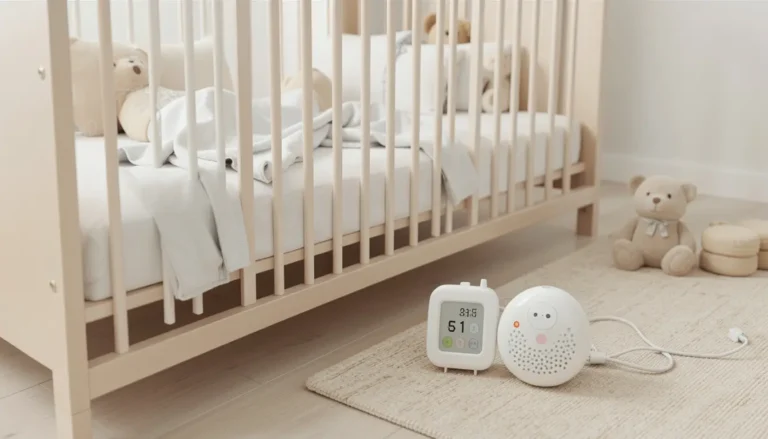
3. Use Bedwetting Alarms
These are one of the most effective long-term solutions. They train the brain to wake up when urination starts.
4. Create a Supportive Environment
Avoid punishment. Reassure your child that it’s normal and temporary.
5. Protect the Mattress
Use waterproof covers to reduce stress around accidents.
When Treatment May Be Needed
If lifestyle changes don’t help, doctors may recommend:
Behavioral therapy
Bedwetting alarms
Medication (in some cases)
One commonly prescribed option is Desmopressin, which helps reduce nighttime urine production—but it should only be used under medical supervision.
Expert Insight: What Research Says
Studies published by organizations like the National Institute of Diabetes and Digestive and Kidney Diseases (NIDDK) show that:
Bedwetting is rarely intentional
Most children outgrow it naturally
Treatment improves both sleep and emotional health
Final Thoughts on Bedwetting and Sleep
Bedwetting and Sleep are closely connected, and understanding that link can make a huge difference in how you support your child.
Instead of viewing bedwetting as a problem, think of it as a developmental phase. With the right approach—patience, routine, and sometimes medical guidance—most children overcome it successfully.
FAQ
Is bedwetting caused by deep sleep?
Yes, many children who wet the bed are deep sleepers and don’t wake up when their bladder is full.
How can I stop my child from bedwetting at night?
Use a combination of limiting fluids, bathroom routines, and bedwetting alarms for best results.
Is bedwetting a psychological issue?
No, it’s usually a developmental or physiological issue, not behavioral.
When should I see a doctor for bedwetting?
If your child is over 7 or suddenly starts bedwetting again after being dry.
