Creatine Effect on Sleep: What You Need to Know
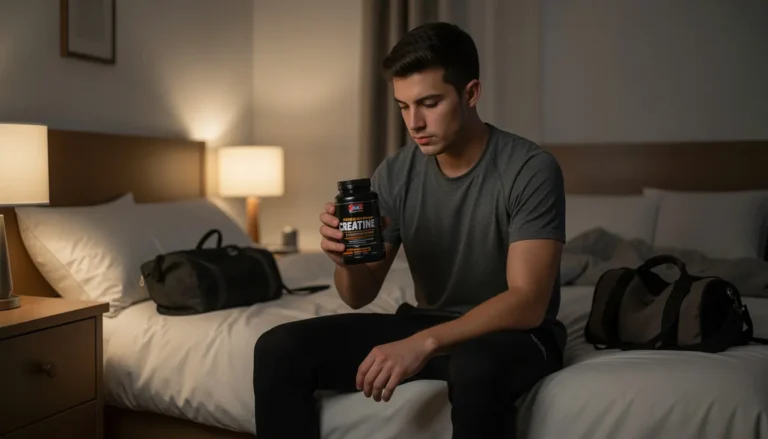
Creatine is one of the most popular supplements used by athletes, gym lovers, and fitness enthusiasts. Most people take it to improve strength, boost performance, and support muscle recovery. But recently, a new question has started appearing in search engines: does creatine affect sleep?
If you’ve ever wondered whether your creatine supplement could be helping or disturbing your sleep, you’re not alone. Let’s explore the real creatine effect on sleep and what research suggests.
What Is Creatine and Why Do People Take It?
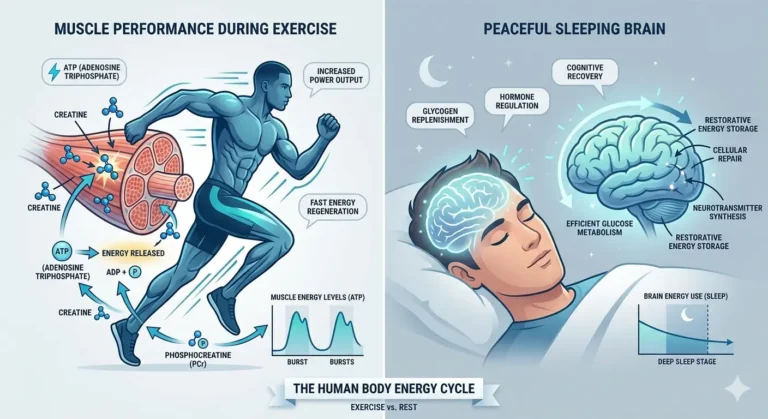
Creatine is a natural compound found in muscle cells that helps your body produce energy during high-intensity exercise like weightlifting, sprinting, or HIIT workouts. Because of this, many athletes and gym-goers use creatine supplements to increase strength, improve performance, and support faster recovery.
Does Creatine Affect Sleep?
For most people, creatine does not directly disrupt sleep. Unlike stimulants such as caffeine, creatine does not stimulate the nervous system in a way that keeps you awake.
In fact, some early research suggests that creatine may actually support brain energy levels, which can help reduce mental fatigue. When your brain has better energy balance, it may improve focus during the day without necessarily harming your sleep at night.
However, experiences can vary from person to person.
Why Some People Think Creatine Affects Their Sleep
Even though creatine itself isn’t a stimulant, a few factors might make people think it’s affecting their sleep:
- Late-night workouts
Many people take creatine before or after evening workouts. Intense exercise late at night can increase adrenaline and body temperature, making it harder to fall asleep. - Pre-workout combinations
Some supplements mix creatine with caffeine or other stimulants. In those cases, the caffeine, not the creatine, is usually responsible for sleep problems. - Increased energy levels
Some users report feeling more energetic during the day when using creatine. This extra energy may make people assume it affects sleep, even if it doesn’t directly interfere with the sleep cycle.
Can Creatine Actually Improve Sleep?
Interestingly, some studies suggest creatine might help the brain cope better with sleep deprivation. A study published in Scientific Reports found that a single dose of creatine improved cognitive performance and reduced fatigue during sleep deprivation.
This doesn’t mean creatine replaces sleep—but it may help the brain maintain energy balance during periods of fatigue.
Tips for Taking Creatine Without Affecting Sleep
If you want to enjoy the benefits of creatine while protecting your sleep quality, try these simple tips:
- Take creatine earlier in the day
- Avoid mixing it with high-caffeine supplements
- Maintain a consistent sleep schedule
- Stay well hydrated
- Avoid intense workouts right before bedtime
Final Thoughts
The overall evidence suggests that the creatine effect on sleep is minimal for most people. Creatine is not a stimulant and usually does not cause insomnia. In many cases, sleep issues linked to creatine are actually caused by caffeine, late workouts, or lifestyle habits.
If you’re using creatine responsibly and maintaining healthy sleep habits, there’s a good chance you can enjoy the performance benefits without sacrificing a good night’s rest.
Frequently Asked Questions
Does creatine affect sleep quality?
For most people, creatine does not negatively affect sleep quality. Creatine is not a stimulant like caffeine and does not directly activate the nervous system. Research suggests it mainly supports muscle energy and brain energy metabolism rather than interfering with sleep cycles.
Can creatine cause insomnia?
Creatine itself is unlikely to cause insomnia. Sleep problems sometimes happen when creatine is taken with stimulant supplements such as caffeine or when workouts occur late at night.
Is it better to take creatine in the morning or at night?
Taking creatine earlier in the day is often recommended, especially if you train in the morning or afternoon. This reduces the chance that intense late-night workouts might interfere with sleep.
Does creatine help with sleep deprivation?
Some research suggests creatine may help the brain maintain energy levels during sleep deprivation. Studies indicate it may improve cognitive performance and reduce mental fatigue when sleep is limited.
Can creatine make you feel more energetic?
Yes. Creatine helps produce ATP, the main energy source for muscle and brain cells. This can make people feel more energetic during workouts and daily activities, but it does not usually act like a stimulant.
Should athletes stop creatine if they have sleep problems?
Not necessarily. If sleep problems occur, it’s better to check other factors such as caffeine intake, workout timing, stress levels, or poor sleep habits before blaming creatine.