Understanding Nightmare Sleep Disorder and Why It Happens
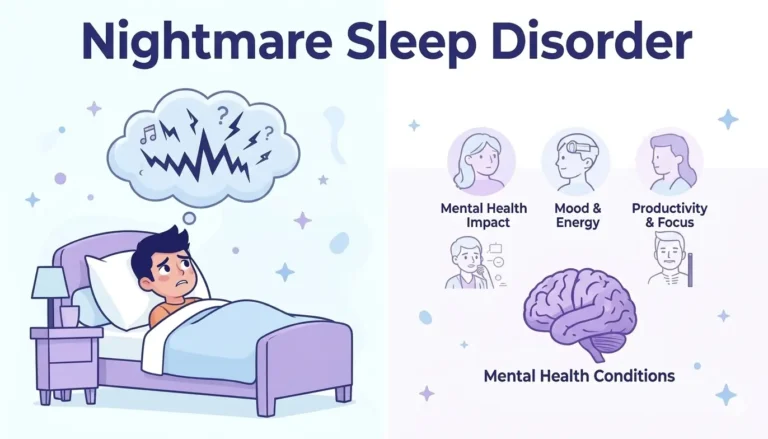
Bad dreams happen to almost everyone. But when frightening dreams occur repeatedly and begin to affect your sleep, mood, and daily life, they may indicate a condition known as Nightmare Sleep Disorder.
This sleep condition is more than just an occasional bad dream. It involves persistent, vivid nightmares that wake you up and make it difficult to return to sleep. Over time, this disruption can affect mental health, daytime productivity, and overall well-being.
Understanding the causes, symptoms, and treatment options can help you manage the condition and restore healthy sleep.
What Is Nightmare Sleep Disorder?
Nightmare Sleep Disorder is a type of sleep disturbance in which a person experiences frequent, intense nightmares that cause distress or impair daily functioning. It belongs to a category of sleep conditions called parasomnias, which involve unusual experiences or behaviors during sleep.
Unlike normal nightmares that happen occasionally, nightmare disorder involves repeated frightening dreams that often wake the sleeper and remain vividly remembered afterward.
These dreams typically occur during REM (Rapid Eye Movement) sleep, the stage when most dreaming happens. Because REM sleep occurs more often in the second half of the night, many people experience nightmares closer to morning.
When nightmares become frequent enough to affect emotional health, sleep quality, or daily life, doctors may diagnose nightmare disorder.
How Common Is Nightmare Sleep Disorder?
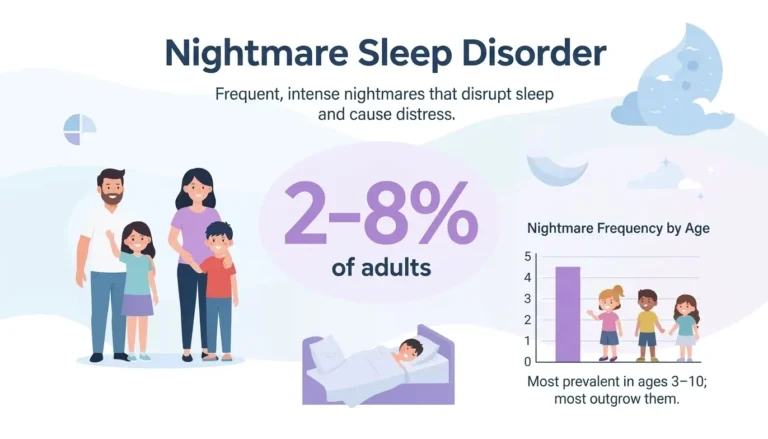
While occasional nightmares are common, nightmare disorder is relatively rare.
Studies suggest that about 2–8% of adults may experience this sleep condition. Children are more likely to have nightmares, especially between the ages of 3 and 10, but most outgrow them over time.
However, for some individuals the problem continues into adulthood, especially when associated with stress, trauma, or certain mental health conditions.
Common Symptoms of Nightmare Sleep Disorder
The main symptom is frequent disturbing dreams, but other physical and emotional reactions often occur as well.
1. Recurrent Disturbing Dreams
Nightmares often involve threats to survival, safety, or physical well-being. The dream may feel extremely real and frightening.
2. Sudden Awakening
People with nightmare disorder usually wake up abruptly during or after the dream and can clearly remember the details.
3. Intense Emotional Reactions
Common emotions experienced during or after a nightmare include:
- Fear
- Anxiety
- Anger
- Sadness
- Shame or embarrassment
4. Physical Reactions
Nightmares can also trigger physical symptoms such as:
- Rapid heartbeat
- Sweating
- Shortness of breath
5. Daytime Effects
Frequent nightmares can lead to several daytime problems, including:
- Fatigue or daytime sleepiness
- Difficulty concentrating
- Mood disturbances such as anxiety or depression
- Fear of going to sleep
- Reduced performance at work or school
When these symptoms begin interfering with daily life, it may indicate nightmare sleep disorder rather than occasional bad dreams.
Causes of Nightmare Sleep Disorder
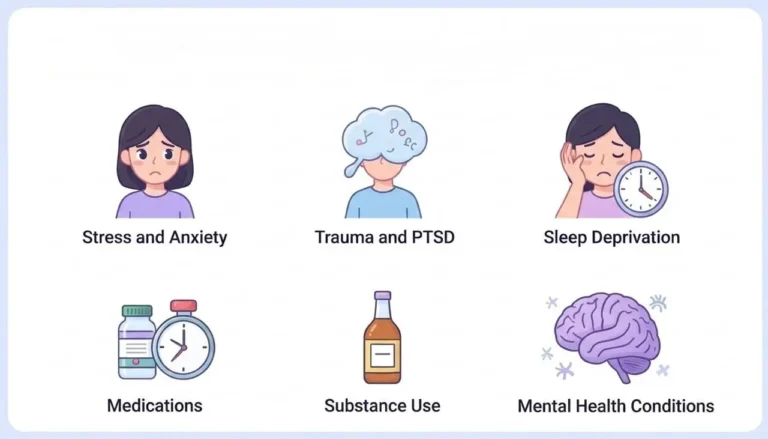
The exact cause of nightmare disorder is not fully understood. However, researchers believe several factors may contribute to its development.
Stress and Anxiety
Daily stress, emotional tension, or major life changes can increase the likelihood of recurring nightmares.
Trauma and PTSD
Nightmares are particularly common in people with post-traumatic stress disorder (PTSD). Traumatic memories may replay during sleep in the form of disturbing dreams.
Sleep Deprivation
Irregular sleep schedules, insomnia, or insufficient sleep can increase the risk of nightmares.
Medications
Certain medications may trigger nightmares, including:
- Antidepressants
- Blood pressure medications
- Beta blockers
Substance Use
Alcohol or recreational drugs, as well as withdrawal from these substances, can also trigger vivid dreams or nightmares.
Mental Health Conditions
Depression, anxiety disorders, and other mental health conditions are often associated with frequent nightmares
How Doctors Diagnose Nightmare Sleep Disorder
There is no single medical test used to diagnose nightmare disorder. Instead, doctors typically rely on a detailed discussion about your sleep patterns and symptoms.
A healthcare provider may ask about:
- Frequency and severity of nightmares
- Sleep habits and bedtime routines
- Medical history and mental health conditions
- Medications currently being taken
In some cases, keeping a sleep diary can help doctors understand patterns in nightmares and sleep disturbances.
Treatment Options for Nightmare Sleep Disorder
The good news is that nightmare disorder is often treatable. Treatment usually focuses on reducing the frequency and intensity of nightmares.
1. Cognitive Behavioral Therapy (CBT)
One of the most effective treatments is Cognitive Behavioral Therapy, which helps people change negative thought patterns related to nightmares.
2. Imagery Rehearsal Therapy (IRT)
IRT is a specific therapy often recommended by sleep specialists. It involves:
- Writing down the nightmare
- Changing the ending to something less threatening
- Practicing the new dream scenario regularly
Over time, the brain may replace the frightening dream with a less distressing version.
3. Relaxation Techniques
Relaxation practices can reduce stress levels that contribute to nightmares. Helpful techniques include:
- Meditation
- Progressive muscle relaxation
- Breathing exercises
4. Medication
In some cases, doctors may prescribe medications to reduce nightmares, particularly when they are linked to PTSD or severe anxiety.
These medications may help regulate brain activity during sleep and reduce the intensity of dreams.
When Should You See a Doctor?
Occasional nightmares are usually not a concern. However, medical advice may be helpful if nightmares:
- Occur frequently
- Interrupt sleep regularly
- Cause fear of going to bed
- Affect work, school, or relationships
A sleep specialist or mental health professional can help determine the underlying cause and recommend appropriate treatment.
FAQ Section
1. What is Nightmare Sleep Disorder?
Nightmare Sleep Disorder is a sleep condition where a person experiences frequent, disturbing nightmares that wake them up and affect sleep quality or daily functioning.
2. What causes Nightmare Sleep Disorder?
The exact cause is not fully known, but stress, trauma, PTSD, sleep deprivation, certain medications, and mental health conditions like anxiety or depression may trigger recurring nightmares.
3. How common is Nightmare Sleep Disorder?
Occasional nightmares are very common, but Nightmare Sleep Disorder affects only about 2% to 8% of adults who experience frequent distressing dreams.
4. Can Nightmare Sleep Disorder be treated?
Yes. Treatments such as Cognitive Behavioral Therapy (CBT), Imagery Rehearsal Therapy (IRT), relaxation techniques, and sometimes medications can help reduce nightmares.
5. When should I see a doctor for nightmares?
You should consider seeing a doctor if nightmares occur frequently, disrupt sleep, cause fear of going to bed, or lead to daytime fatigue and anxiety.
When nightmare disorder already disrupts your sleep, the last thing you need is an uncomfortable mattress making it worse. The Nectar Luxe Hybrid combines memory foam and innerspring coils for deeper, cooler, and pain-free rest — so every hour of sleep truly counts.
- ✔Individually-wrapped innerspring coils for better airflow, superior motion control, and edge stability
- ✔Contouring memory foam relieves pressure on your hips and back for lasting comfort
- ✔Adaptive support layer promotes proper spinal alignment for long-term wellbeing
- ✔Medium firm feel — ideal for back sleepers and those with chronic pain
* As an Amazon Associate, we earn a small commission from qualifying purchases at no extra cost to you.