How Caffeine Affects Sleep Quality More Than You Think
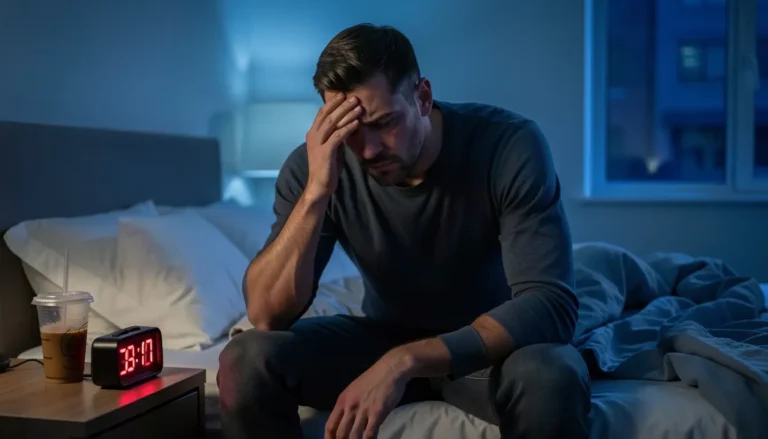
How Caffeine Affects Sleep Quality is one of the most searched sleep-related questions in the U.S., and for good reason. Americans drink more coffee than ever — from morning cold brews to late-night energy drinks — but many don’t realize how long caffeine stays active in the body and what it does to the brain during sleep.
If you struggle with falling asleep, waking up at 3 a.m., or feeling tired even after 7–8 hours in bed, caffeine could be playing a bigger role than you think.
Let’s break it down with research, not myths.
What Happens in Your Brain After You Drink Caffeine?
Caffeine is a stimulant. It works by blocking adenosine, a chemical in your brain that builds up throughout the day and makes you feel sleepy.
Normally:
Adenosine levels rise → you feel tired → you fall asleep
But with caffeine:Caffeine blocks adenosine → brain stays alert → sleep pressure drops
According to research published by the Sleep Foundation, caffeine can stay in your system for 6–8 hours on average — and even longer for some people.
That means your 3 p.m. coffee can still be affecting your brain at 10 or 11 p.m
How Caffeine Affects Sleep Quality (Not Just Sleep Time)
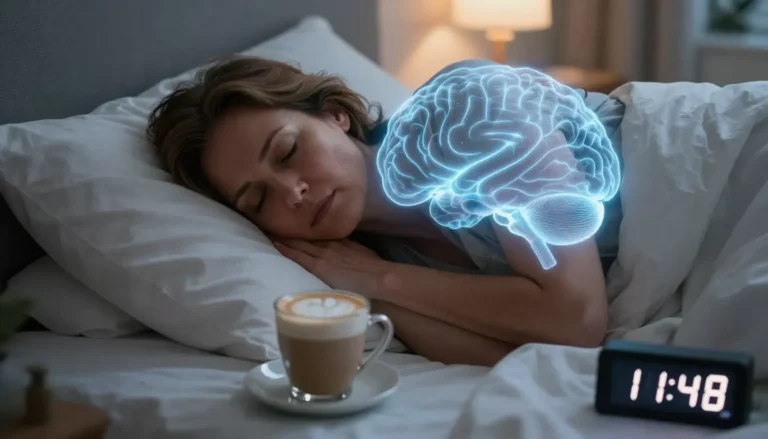
Many people think caffeine only affects how long it takes to fall asleep. But studies show it impacts multiple parts of sleep quality:
1. Reduces Deep Sleep (Slow-Wave Sleep)
Deep sleep is when:
Growth hormone is released
Muscle repair happens
Immune system strengthens
Brain detoxifies waste
A controlled study published in the Journal of Clinical Sleep Medicine found that caffeine consumed even 6 hours before bed significantly reduced total sleep time and deep sleep quality.
That means you may technically be “sleeping,” but your body isn’t fully recovering.
2. Delays Melatonin Release
Melatonin is your sleep hormone. It signals your body that it’s time to wind down.
Research from the National Institutes of Health shows caffeine can delay melatonin production by up to 40 minutes or more. That delay shifts your internal clock, making it harder to fall asleep naturally.
This is especially important if you already struggle with:
Insomnia
Delayed sleep phase
Jet lag
3. Reduces REM Sleep
REM sleep is when:
Memory consolidation happens
Emotional processing occurs
Vivid dreaming takes place
Less REM sleep can leave you feeling mentally foggy the next day — even if you were in bed for a full 8 hours.
How Long Does Caffeine Actually Last?
The average half-life of caffeine is about 5–7 hours in healthy adults. That means:
- Drink 200 mg at 2 p.m.
- Around 100 mg may still be active at 8–9 p.m.
- Some caffeine may still be present at midnight
But here’s where it gets interesting.
Caffeine metabolism depends on: Genetics, Age, Liver function, Pregnancy, Birth control use, Smoking status. Some people are “slow metabolizers,” meaning caffeine lingers much longer in their system.
How Caffeine Affects Sleep Quality in Different Age Groups
Teens and Young Adults
Energy drinks and late-night studying are common. But sleep cycles in teens are already naturally delayed. Caffeine makes that worse, increasing insomnia risk.
Adults 30–50
Stress + late coffee + screen time = shallow sleep. Many adults don’t connect their 4 p.m. latte to their 2 a.m. wake-up.
Adults Over 60
Caffeine clearance slows with age. Even small amounts can fragment sleep and increase nighttime awakenings.
How Much Caffeine Is Too Much?

According to the U.S. Food and Drug Administration, up to 400 mg per day is considered safe for most healthy adults.
That equals roughly:
4 cups of brewed coffee
2 energy drinks
5–6 cans of soda
But “safe” does not mean “sleep-friendly.” For optimal sleep quality, many sleep specialists recommend stopping caffeine 8 hours before bedtime — sometimes earlier for sensitive individuals.
Signs Caffeine Is Affecting Your Sleep
You may be caffeine-sensitive if you:
Take more than 20–30 minutes to fall asleep
Wake up feeling unrefreshed
Wake up during the night frequently
Need caffeine immediately upon waking
Feel wired but tired at night
If this sounds familiar, caffeine may be disrupting your sleep architecture.
Does Caffeine Affect Everyone the Same Way?
No. Genetics play a huge role. Variations in the CYP1A2 gene determine how quickly your liver processes caffeine.
That’s why:
Your friend can drink espresso at 9 p.m. and sleep fine
You drink iced coffee at noon and stare at the ceiling at midnight
FAQs
1. How does caffeine affect sleep quality at night?
Caffeine affects sleep quality by blocking adenosine, the brain chemical that makes you feel sleepy. This delays melatonin release, reduces deep sleep, and can cut down REM sleep — even if you fall asleep normally.
2. How long before bed should I stop drinking caffeine?
Most sleep experts recommend stopping caffeine at least 6–8 hours before bedtime. If you’re caffeine-sensitive, stopping 8–10 hours earlier may improve sleep quality.
3. Can caffeine reduce deep sleep?
Yes. Research shows caffeine reduces slow-wave (deep) sleep, which is essential for physical recovery, immune strength, and hormone release.
4. Does caffeine affect REM sleep?
Caffeine can shorten REM sleep duration. REM sleep is important for memory consolidation, emotional balance, and brain recovery.
5. Why can I fall asleep after coffee but still feel tired?
Even if caffeine doesn’t stop you from falling asleep, it can fragment sleep cycles and reduce deep sleep quality — leaving you feeling unrefreshed the next morning.
6. Is decaf coffee better for sleep quality?
Decaf contains small amounts of caffeine but significantly less than regular coffee. It’s generally better for sleep, especially if consumed in the afternoon or evening