Herbal Teas for Deep and Relaxing Sleep: A Natural Way to Unwind
Herbal teas for deep and relaxing sleep are becoming a go-to solution for people who want better rest without relying on medication. With sleep issues affecting millions of adults, many are exploring gentler, plant-based ways to relax at night.
And honestly, it makes sense.
There’s something inherently calming about a warm cup of tea before bed. But beyond the comfort factor, certain herbs contain compounds that may actually support sleep quality.
After reviewing nutritional research and clinical findings on herbal remedies, it’s clear that some teas offer more than just tradition — they have real science behind them.
Let’s look at what works, how it works, and which blends are worth trying.
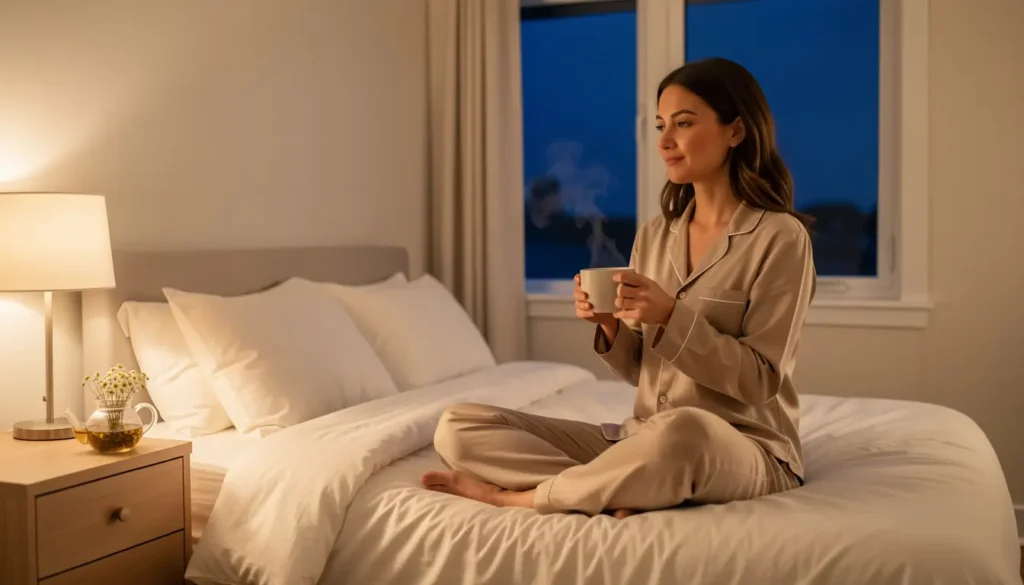
Why Herbal Teas Help With Deep and Relaxing Sleep
Herbal teas aren’t just flavored hot water. Many herbs contain bioactive compounds that interact with the nervous system.
For example:
Chamomile contains apigenin, a compound that binds to receptors associated with relaxation
Valerian root contains valerenic acid, which may influence GABA, a calming neurotransmitter
Lavender provides linalool, linked to stress reduction and relaxation
Organizations like the National Center for Complementary and Integrative Health acknowledge that herbs such as chamomile and valerian show promising sleep-support potential, though individual responses vary.
If you enjoy digging into sleep science, resources like the Sleep Foundation provide excellent research summaries.
Best Herbal Teas for Deep and Relaxing Sleep
Not all herbal teas are created equal. Some are mild and soothing, while others are more potent.
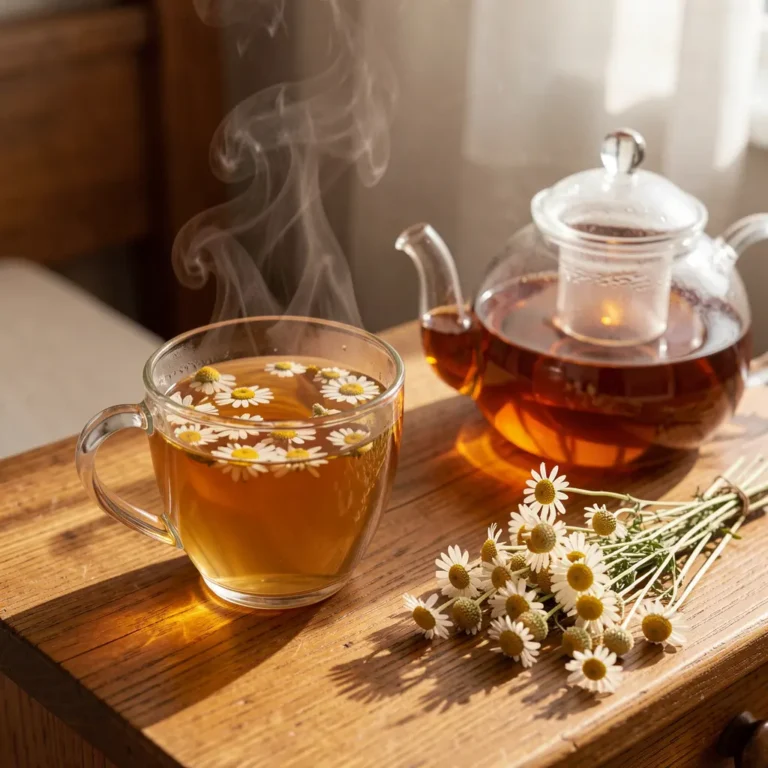
1. Chamomile Tea
Chamomile is often the first recommendation for sleep — and for good reason.
Several small studies suggest chamomile may help reduce mild insomnia symptoms and promote relaxation.
Best for:
Occasional sleep trouble
Stress-related restlessness
Nighttime anxiety
Taste: Light, floral, slightly sweet
2.Valerian Root Tea
Valerian root is considered one of the stronger herbal sleep aids.
Research published in journals such as Phytomedicine has explored valerian’s potential to improve sleep latency — the time it takes to fall asleep.
Best for:
Difficulty falling asleep
More persistent insomnia
Taste: Earthy, bold (often blended)
3. Lavender Tea
Lavender is widely known for aromatherapy, but drinking lavender tea may also promote relaxation.
Some studies suggest lavender may help improve sleep quality, especially in people dealing with stress.
Best for:
Light sleepers
Mental tension
Evening stress relief
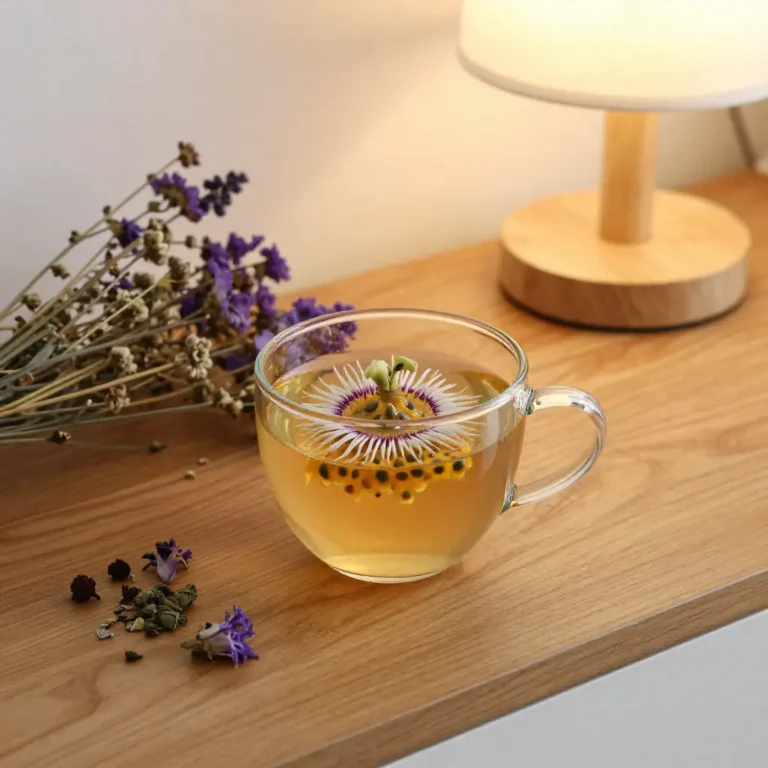
4. Passionflower Tea
Passionflower is commonly included in sleep blends due to its potential calming effects.
Best for:
Racing thoughts
Restless sleep
Nervous tension
A Popular Blend Worth Trying
If you want a convenient, well-balanced blend instead of mixing herbs yourself, We recommend:
🌿 Traditional Medicinals Organic Nighty Night Tea
Why this one?
Contains chamomile, valerian root, passionflower, and lemon balm
USDA Organic certified
Non-GMO verified
Thousands of positive reviews on Amazon
Affordable and widely available in the U.S.
This tea is ideal if you want a ready-made solution backed by both traditional herbal knowledge and modern quality standards.
👉 You can check it out on Amazon and read verified customer reviews before purchasing. It’s one of the most consistent herbal sleep blends currently available.
How to Use Herbal Teas for Maximum Sleep Benefits
To get the most out of Herbal Teas for Deep and Relaxing Sleep, timing and preparation matter.
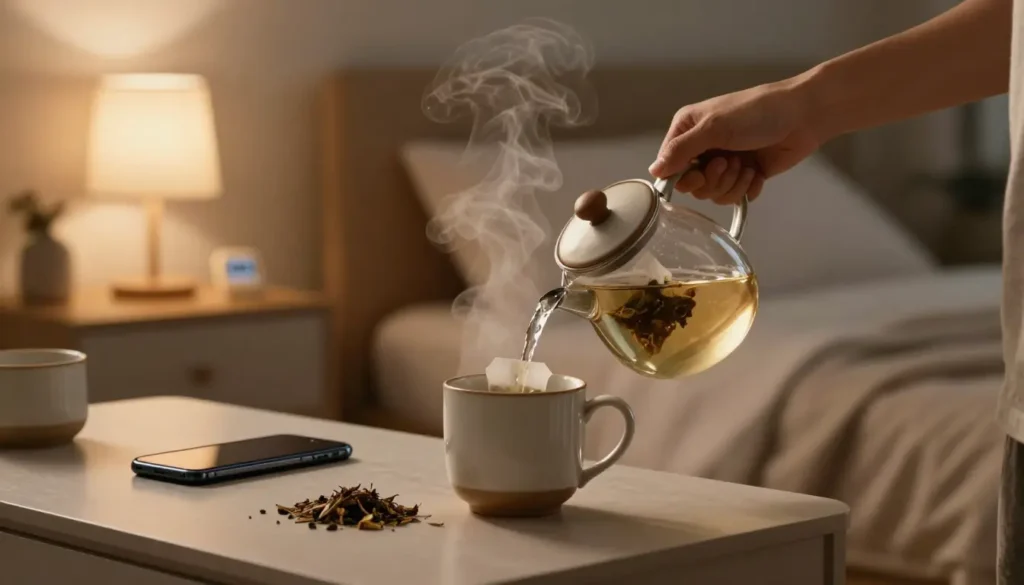
Brew It Properly
Use freshly boiled water
Steep for 7–10 minutes (longer for valerian)
Cover the cup while steeping to preserve volatile oils
Drink at the Right Time
Aim to drink your tea 30–60 minutes before bed. This gives your body time to absorb the active compounds while also establishing a calming routine
Create a Sleep Routine
Combine tea with:
No screens 60 minutes before bed
Dim lighting
A cool bedroom (around 65°F)
Consistency is key. Most herbs work best after several nights of regular use.
Are Herbal Teas Safe?
For most healthy adults, yes.
However:
Pregnant women should consult a healthcare provider.
Valerian may interact with sedatives.
Always check ingredient lists if you have allergies.
The Mayo Clinic recommends consulting your doctor before starting herbal supplements if you’re on medication.
Why Many People Prefer Herbal Sleep Remedies
More people are seeking alternatives to traditional sleep aids due to concerns about dependency and side effects.
Common reasons include:
Preference for natural solutions
Non-habit-forming options
Gentle relaxation instead of heavy sedation
Lower cost
Plus, the ritual itself — sitting down with a warm drink — can help signal to your brain that the day is winding down.
Final Thoughts on Herbal Teas for Deep and Relaxing Sleep
If you’re struggling to wind down at night, Herbal Teas for Deep and Relaxing Sleep offer a research-backed, affordable, and accessible option.
Start with chamomile if you’re new.
Try valerian blends if insomnia is more stubborn.
Or go with a balanced formula like Traditional Medicinals Organic Nighty Night Tea for convenience and effectiveness.
Sleep is foundational to your health—impacting mood, weight, immunity, and focus. A simple nightly tea ritual might be the easiest upgrade you can make starting today
Frequently Asked Questions About Herbal Teas for Sleep
1.Do herbal teas really help you sleep better?
Answer: Certain herbal teas may support relaxation and sleep quality, particularly those containing chamomile, valerian root, lavender, or passionflower. These herbs contain natural compounds linked to calming effects on the nervous system. Results vary by individual, but many people find them helpful as part of a bedtime routine.
2.What is the best herbal tea for deep sleep?
Answer: Chamomile tea is often considered the best starting point for improving sleep due to its mild calming effects and pleasant taste. For stronger sleep support, valerian root blends are commonly recommended. A balanced tea containing multiple calming herbs can also be effective.
3.How long before bed should I drink herbal tea?
Answer: For best results, drink herbal tea 30 to 60 minutes before bedtime. This allows your body time to absorb the active compounds while also helping your mind transition into a relaxed state.
4.Can I drink herbal sleep tea every night?
Answer: Most herbal teas are safe for nightly use when consumed in moderation. However, teas containing valerian root or other potent herbs should be used thoughtfully. If you plan long-term use or take medications, consult a healthcare provider
5.Are there any side effects of herbal sleep teas?
Answer: Mild herbal teas like chamomile are generally well tolerated. Stronger herbs such as valerian root may cause drowsiness, vivid dreams, or interact with sedatives. Always check ingredient labels and consult your doctor if unsure.
6.Is herbal tea better than sleep medication?
Answer: Herbal tea is not a replacement for prescribed sleep medication but can be a gentle, natural option for mild sleep difficulties. People with chronic insomnia or medical conditions should seek professional medical advice.