Best Sleep Tips to Improve Your Sleep Naturally
Best sleep tips are essential in today’s fast-paced, always-connected lifestyle. Millions of adults across Europe and the United States struggle with poor sleep due to stress, screen exposure, irregular routines, and unhealthy habits.
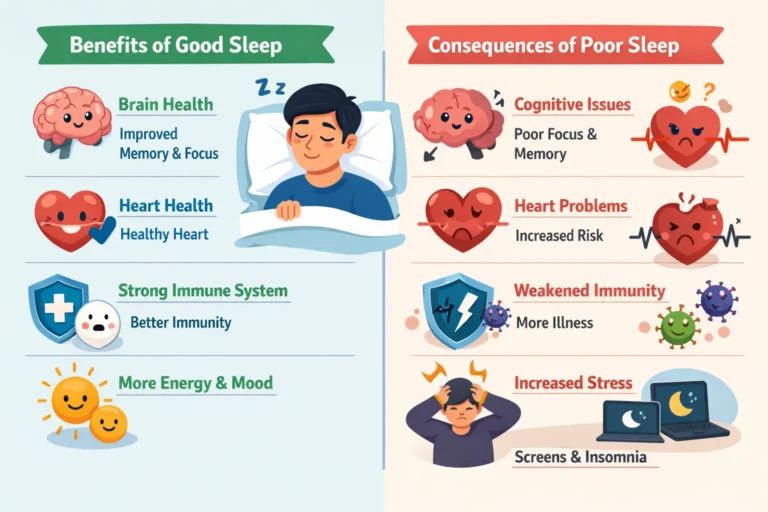
Quality sleep is not just about feeling rested. Research consistently shows that good sleep improves brain performance, emotional stability, immune strength, metabolic health, and heart function. Without it, the risk of chronic disease and mental health disorders rises significantly.
Research Shows
The National Sleep Foundation (NSF) recommends 7–9 hours of sleep for adults to maintain optimal health.
Harvard Medical School research links poor sleep to higher risks of obesity, diabetes, cardiovascular disease, and depression.
The World Health Organization (WHO) recognizes sleep deprivation as a growing public health concern affecting productivity and mental well-being.
Six Best Sleep Tips:
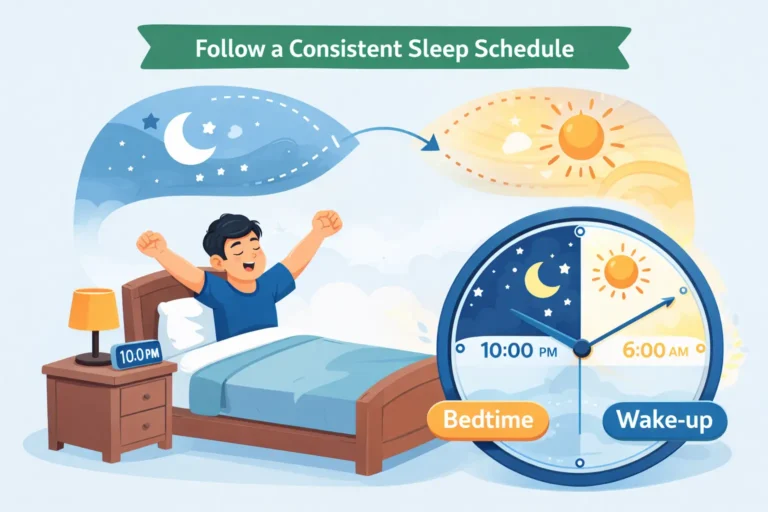
1. Maintain a Consistent Sleep Schedule
One of the most effective best sleep tips is keeping a fixed bedtime and wake-up time—even on weekends. Why It Works ,Sleep specialists explain that the body relies on its circadian rhythm, an internal clock that regulates sleep and wake cycles. Irregular schedules confuse this system, leading to insomnia and poor sleep quality.
2. Optimize Your Sleep Environment
Your bedroom should signal your brain that it’s time to sleep.
A dark room boosts melatonin production
A cool temperature (60–72°F / 16–22°C) improves deep sleep
Quiet surroundings reduce nighttime awakenings
3. Limit Screen Exposure Before Bed
Excessive screen time is one of the biggest obstacles to quality sleep. Scientific Explanation Phones, tablets, and TVs emit blue light, which suppresses melatonin—the hormone responsible for sleep onset. Best Recommendation
Stop using screens at least 60 minutes before bedtime
Enable night mode or blue-light filters if necessary
4. Be Mindful of Caffeine and Evening Meals
What you consume directly affects how well you sleep. Why This Works, Caffeine can stay active in the body for 6–8 hours, while heavy meals trigger digestion that interferes with rest. Avoid caffeine after mid-afternoon, Eat a light and balanced dinner. Reduce spicy, sugary, and fatty foods at night.
5.Practice Relaxation Techniques
Stress and overthinking are major sleep disruptors.
Best Techniques are
Deep breathing exercises (e.g., 4-7-8 method)
Progressive muscle relaxation
Mindfulness meditation or gentle stretching
Clinical psychologists confirm that relaxation techniques lower cortisol, the stress hormone that delays sleep.
6.Improve Daytime Habits for Better Night Sleep
Quality sleep begins during the day. Healthy Daily Practices,Get natural sunlight in the morning.Exercise regularly (but not too late) Keep daytime naps under 30 minutes and these habits reinforce your body’s natural sleep-wake rhythm.
Quality sleep is not optional—it is foundational to physical health, mental clarity, and emotional balance. By applying these best sleep tips, you can build healthier sleep habits that last.
Consistency is key. Start small, stay committed, and let science guide your rest.
Frequently Asked Questions (FAQs)
Q1. How long does it take to see results from best sleep tips?
Most people notice improvements within 1–2 weeks of consistent practice.
Q2. What is the ideal amount of sleep for adults?
Experts recommend 7–9 hours per night.
Q3. Can naps negatively affect nighttime sleep?
Yes, if naps exceed 30 minutes or occur late in the day.
Q4. Are natural sleep remedies safe?
Natural methods like relaxation and herbal teas are generally safe, but medical conditions should be discussed with a healthcare provider.
Q5. Do these best sleep tips work for busy professionals?
Absolutely. Consistency and screen management are especially effective for high-stress lifestyles.