Natural Ways to Fall Asleep Without Melatonin

Natural ways to fall asleep without melatonin are something millions of people in the US and UK are actively searching for—and for good reason. Modern life has made quality sleep harder than ever. Long work hours, constant screen exposure, stress, caffeine, and irregular routines all quietly interfere with the body’s natural sleep process.
If you’ve ever felt exhausted but still couldn’t fall asleep, or woke up feeling unrefreshed despite spending hours in bed, you’re not alone. While melatonin supplements are often marketed as an easy fix, many people prefer to avoid them due to side effects or long-term dependency concerns.
The truth is, your body already knows how to sleep. You don’t need to force it—you need to support it.
This guide covers realistic, science-backed, and human-friendly natural ways to fall asleep without melatonin,
Why Many People Are Moving Away from Melatonin Supplements

Melatonin is a hormone your body naturally produces in response to darkness. When taken as a supplement, it can sometimes help short-term sleep issues. However, long-term or frequent use isn’t always ideal.
Common concerns reported by users include:
-
Morning grogginess or brain fog
-
Headaches
-
Vivid or unsettling dreams
-
Feeling dependent on supplements to sleep
Because of this, many sleep specialists now recommend natural sleep methods as the first approach, especially for chronic sleep issues.
1. Reset Your Internal Clock with a Consistent Sleep Schedule

Your body follows a circadian rhythm—a built-in 24-hour clock that controls sleep and wake cycles. When your bedtime and wake-up time constantly change, this rhythm becomes confused.
Going to bed and waking up at the same time every day helps your body release sleep hormones naturally, without melatonin.
US/UK Practical Tip:
If your evenings are unpredictable, focus on waking up at the same time every morning. This single habit can improve sleep within one to two weeks.
2. Reduce Blue Light Exposure in the Evening
One of the most effective natural ways to fall asleep without melatonin is reducing blue light exposure at night. Phones, laptops, and TVs send signals to your brain that it’s still daytime.
Even “just a few minutes” of scrolling can delay sleep.

Better Evening Alternatives:
-
Read a physical book
-
Listen to an audiobook or calming podcast
-
Journal your thoughts
-
Use warm, dim lighting
These activities help your brain transition into sleep mode.
3. Calm Your Nervous System Before Bed
Most sleep problems are not caused by lack of tiredness—but by an overactive nervous system. Stress, anxiety, and overthinking keep the brain alert even when the body is exhausted.

Simple Breathing Technique:
-
Inhale through your nose for 4 seconds
-
Hold briefly
-
Exhale slowly through your mouth for 6–7 seconds
This signals your body that it’s safe to relax, lowering stress hormones naturally.
4. Use Herbal Teas as a Natural Sleep Cue
Herbal teas have been used for centuries and are still widely popular in the US and UK.

Best Herbal Teas for Natural Sleep:
-
Chamomile – gentle relaxation
-
Lavender – reduces anxiety
-
Valerian root – supports deeper sleep
Drinking a warm tea before bed also creates a calming bedtime ritual that prepares your body for rest.
5. Create a Sleep-Friendly Bedroom Environment
Your brain associates environments with activities. If your bedroom feels like a workspace or entertainment zone, falling asleep becomes harder.

Ideal Sleep Environment:
-
Cool room temperature (60–67°F / 16–19°C)
-
Minimal noise or white noise
-
Blackout curtains to block light
-
Comfortable mattress and pillows
Small improvements to your sleep environment can produce noticeable results.
6. Avoid Caffeine and Heavy Meals in the Evening
Caffeine can remain in your system for up to 8 hours. That afternoon coffee might be the reason you’re wide awake at night.
Heavy or spicy meals late in the evening also interfere with sleep by keeping your digestive system active.
Better Evening Choices:
-
Switch to herbal tea after mid-afternoon
-
Eat lighter, balanced dinners
-
Avoid greasy or spicy foods close to bedtime
7. Gentle Evening Movement Helps the Body Wind Down
Light movement in the evening helps release physical tension built up during the day—without overstimulating the body.
Best Options:
-
Light stretching
-
Short evening walk
Avoid intense workouts within two to three hours of bedtime.
8. Eat Foods That Naturally Support Sleep
Some foods contain nutrients that promote relaxation and support healthy sleep cycles.
Sleep-Friendly Foods:
-
Bananas (magnesium and potassium)
-
Almonds (healthy fats and magnesium)
-
Oats (supports serotonin production)
-
Warm milk (comfort and relaxation)
Consistency matters more than quantity.
9. Stop Forcing Sleep
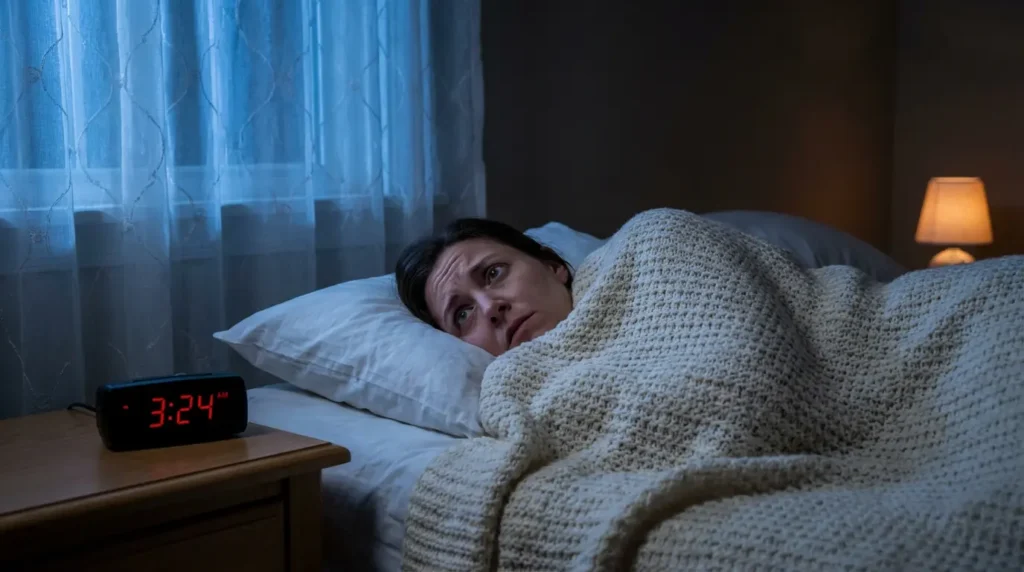
Ironically, trying too hard to sleep often makes insomnia worse. When you worry about not sleeping, your brain stays alert.
If you can’t fall asleep after about 20–30 minutes:
-
Get out of bed
-
Do something calm in low light
-
Return only when you feel sleepy
This retrains your brain to associate your bed with rest—not stress.
10. Manage Daytime Stress for Better Night Sleep
Quality sleep doesn’t start at bedtime—it starts during the day. Chronic stress carries into the night if it isn’t managed earlier.
Simple daytime habits that improve nighttime sleep include:
-
Short walks
-
Mindfulness or meditation
-
Limiting constant news or social media exposure
Lower daytime stress leads to deeper, more natural sleep.
11. Be Patient and Stay Consistent
Natural sleep methods don’t work overnight—but they work long-term.
Most people notice:
-
Faster sleep onset within 7–10 days
-
Fewer night awakenings within 2–3 weeks
-
More stable sleep patterns within a month
And best of all, there’s no dependency on supplements.
Final Thoughts
If you’re searching for natural ways to fall asleep without melatonin, remember this: your body already knows how to sleep. By removing obstacles and building supportive habits, you allow sleep to happen naturally.
For people in the US and UK—where stress, screens, and irregular routines are common—these strategies offer a safe, effective, and sustainable path to better sleep.